Catalogue
Datasets Repository
Every dataset below is openly available from its original publisher. Click through for licensing terms, full documentation, and downloads.
Publishing trend
Open datasets published per year
| Year | Datasets |
|---|
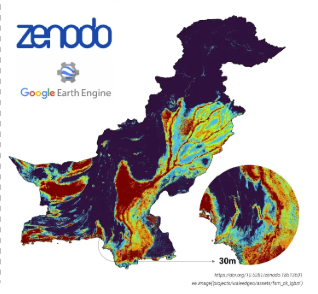
High-resolution flood conditioning raster layers for Pakistan at 30 m resolution as Cloud Optimized GeoTIFFs. Includes ten features used in published flood susceptibility models (aspect, curvature, slope, NDVI, TWI, elevation, rainfall frequency, distance to river/drainage) plus three supplementary layers for sensitivity analysis.
 Paper
Paper
 Zenodo
 Code
Code
 GEE App
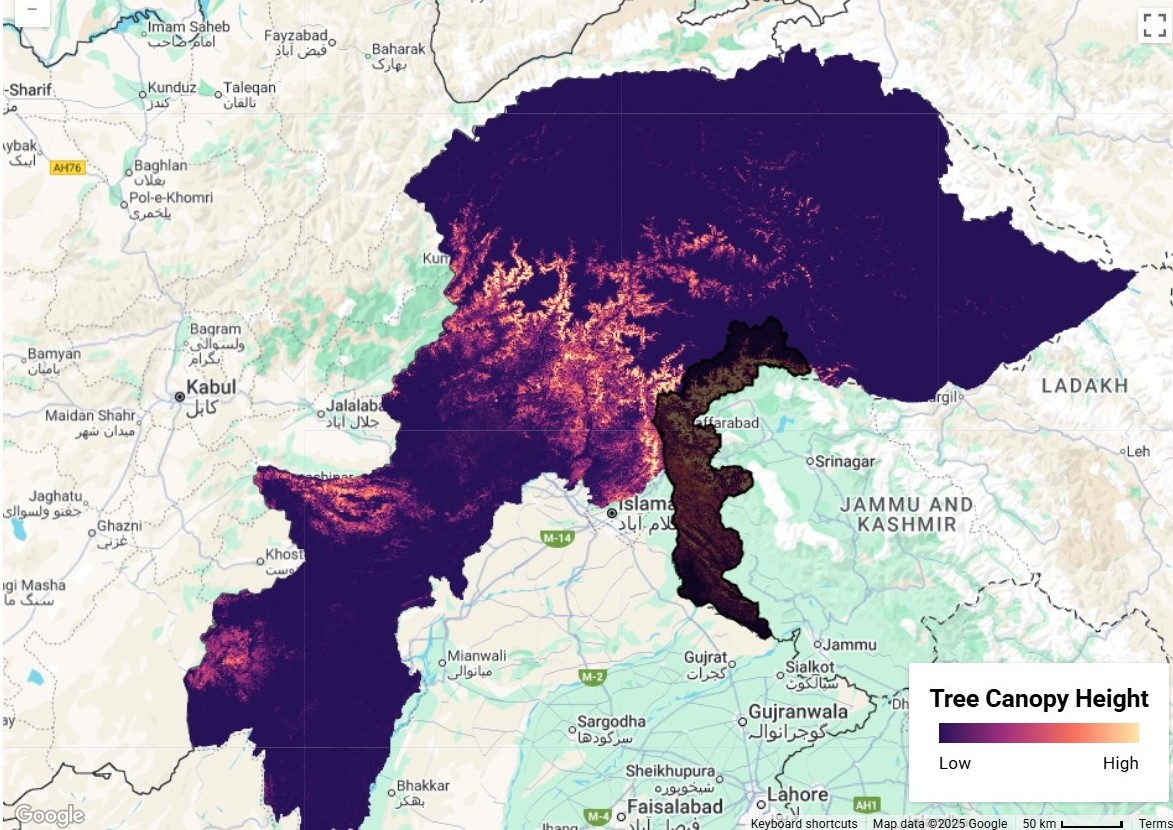
Canopy height mapping in the Western Himalayas using a deep learning approach that fuses GEDI LiDAR with Sentinel-2 imagery — a key biodiversity hotspot needing accurate aboveground biomass estimates.
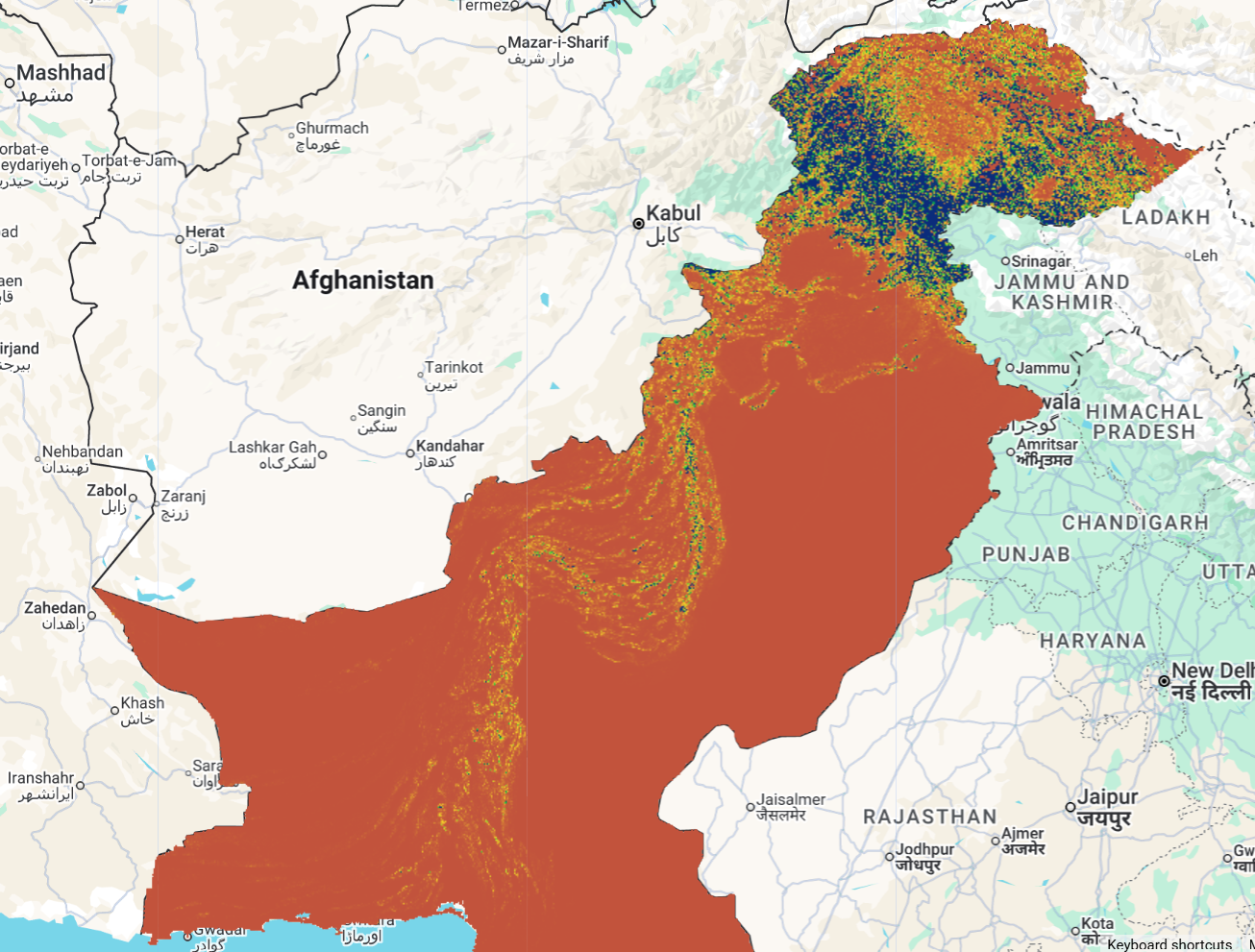
Comprehensive assessment of soil erosion dynamics in Pakistan for 2005 and 2015 using the RUSLE model, considering six key influencing factors.
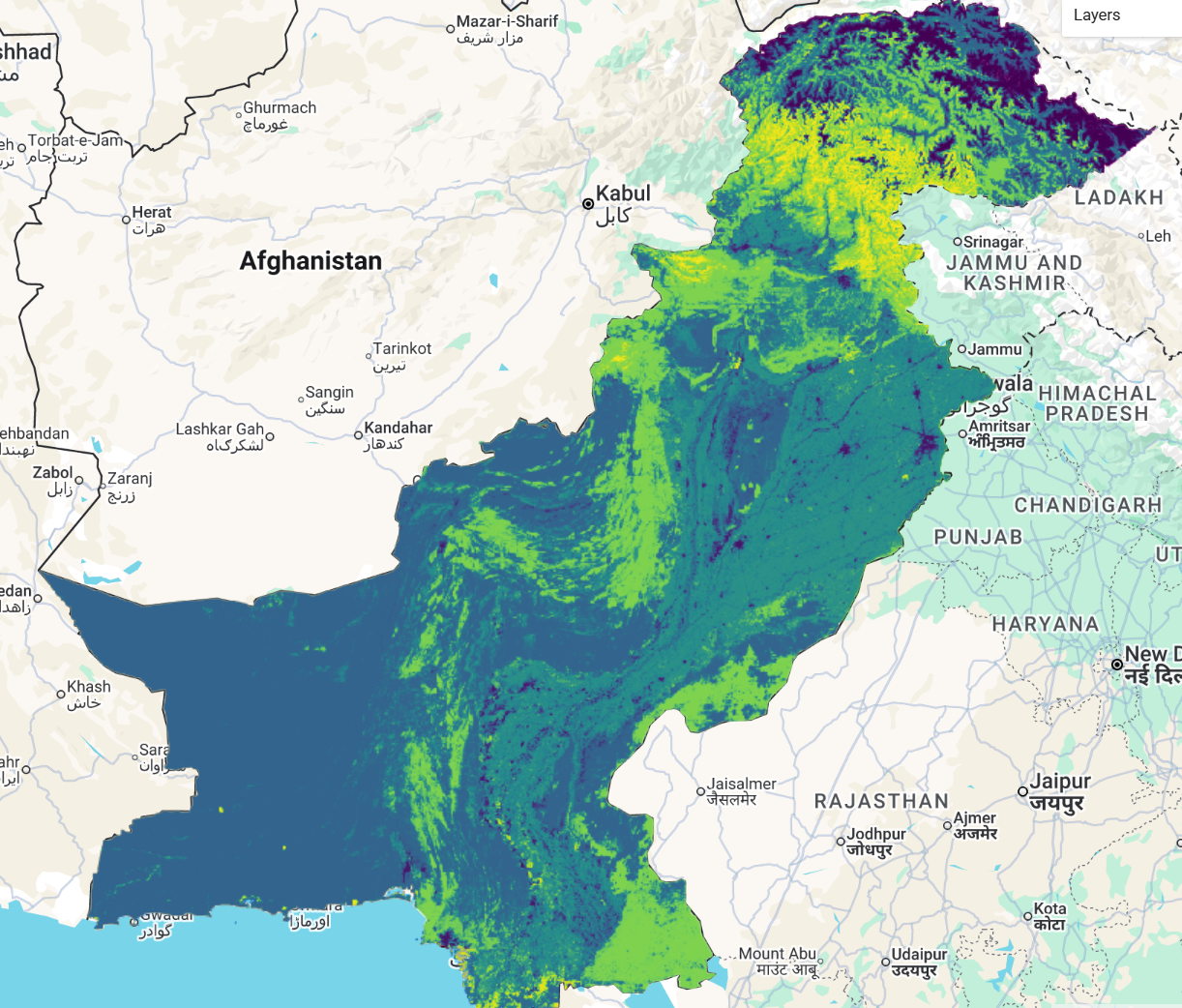
Urbanization-led land cover change and its impact on terrestrial carbon storage capacity — a high-resolution, nation-wide assessment in Pakistan from 1990 to 2020.
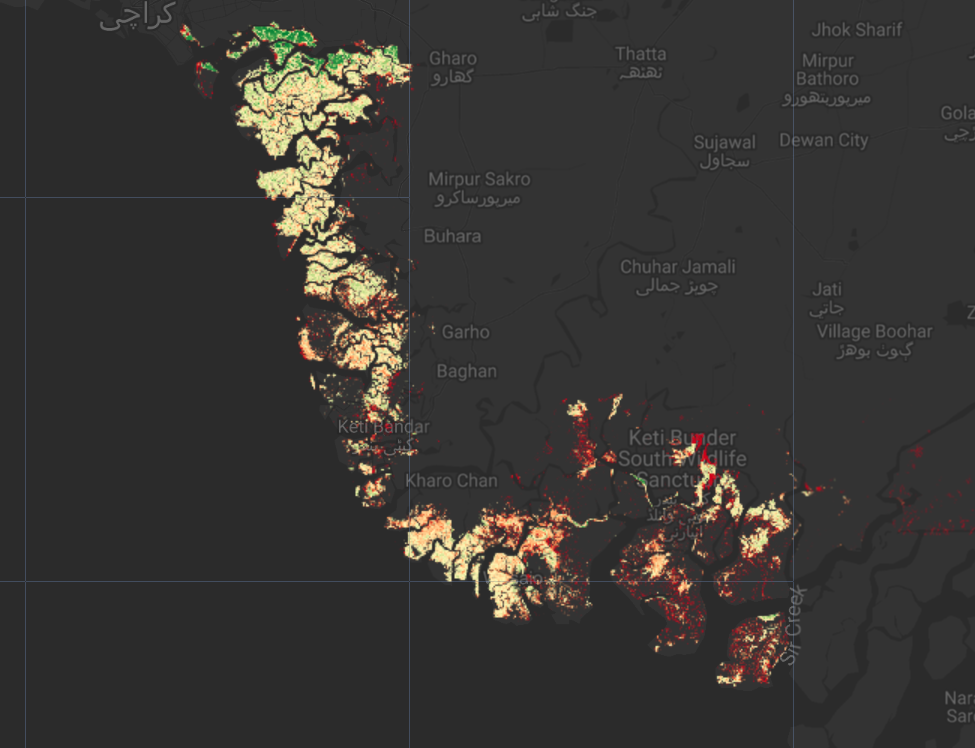
Urbanization-led land cover change and its impact on terrestrial carbon storage capacity — a high-resolution, nation-wide assessment in Pakistan from 1990 to 2020.
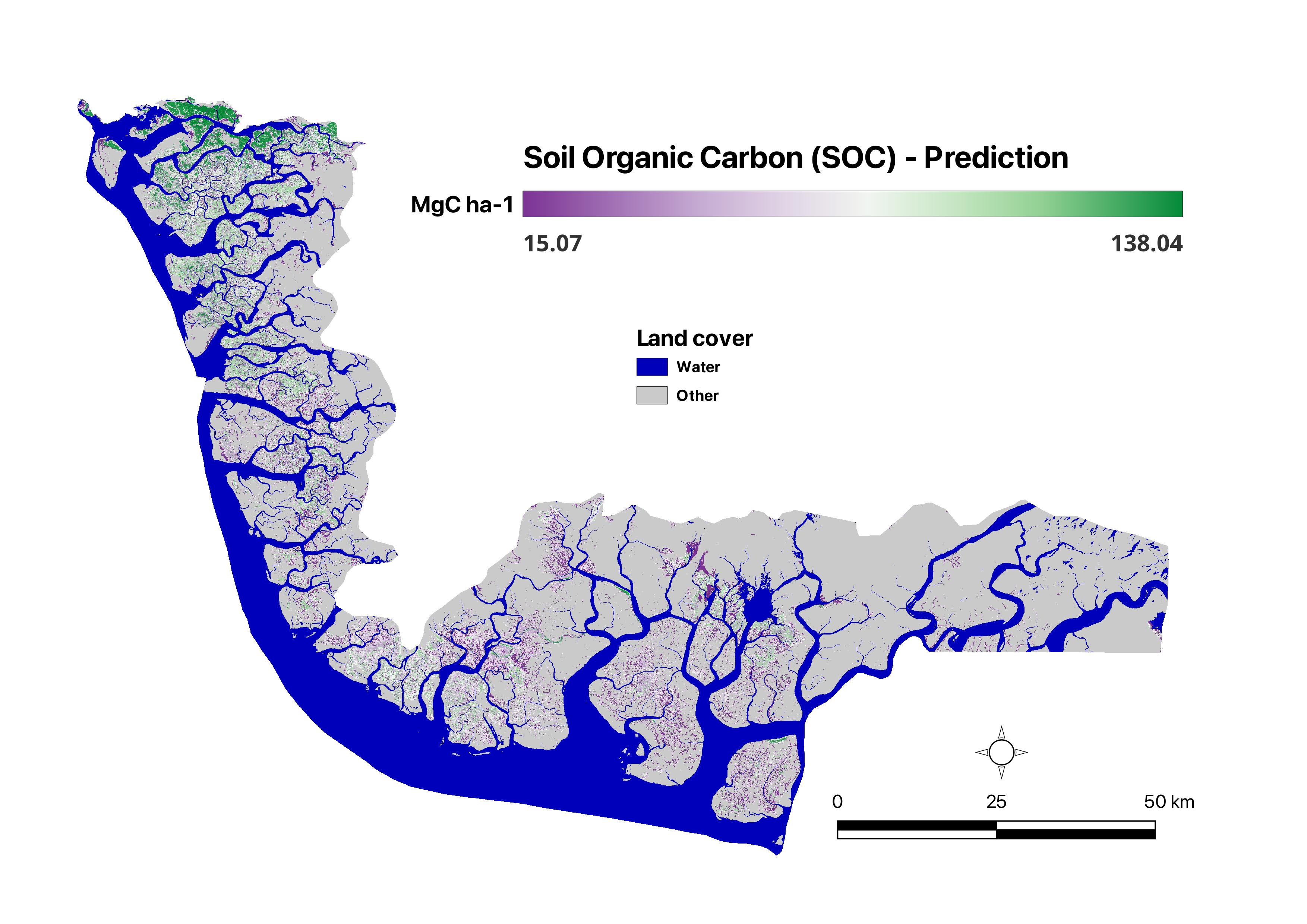
Spatial distribution of mangrove soil organic carbon in the Indus Delta, the world's largest arid mangrove forest system, using a multi-sensor remote sensing and machine learning approach.
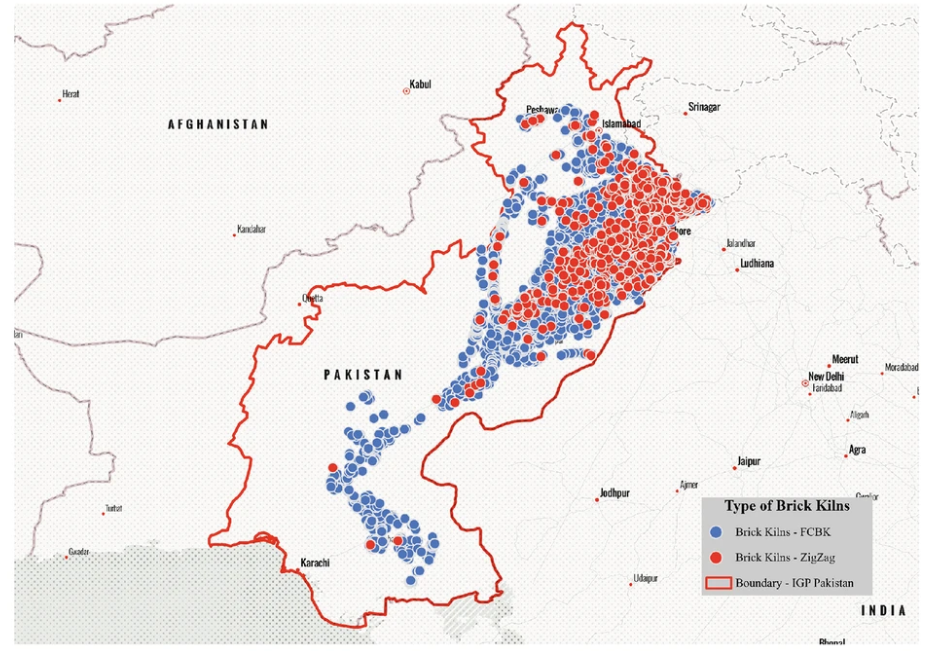
First geospatial mapping of brick kiln sites across Pakistan's IGP region, capturing precise locations in WGS 84 along with preliminary emissions estimates (PM10, PM2.5, NOx, SOx) and proximity-based exposure data.
 Drive
Drive
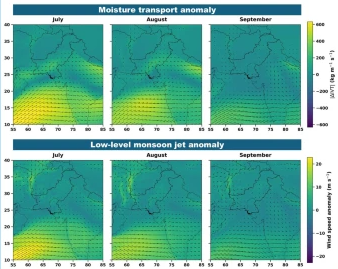
Monthly S1/S2/Landsat-9 flood masks and district-level flood exposure data for the 2022 Sindh monsoon floods, covering persistent atmospheric forcing and delayed floodplain inundation dynamics.
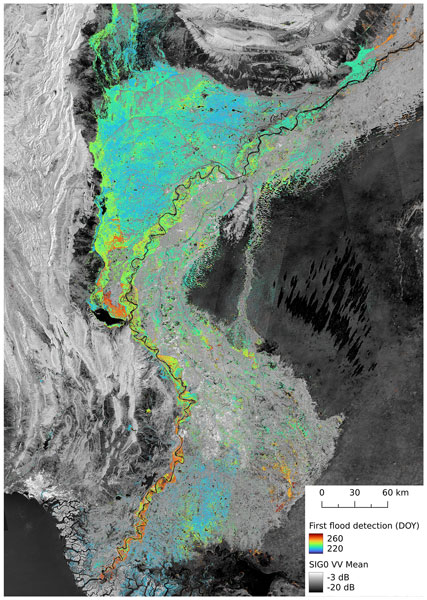
Sentinel-1 based flood extent, frequency and first-detection raster layers at 20 m resolution covering the severe Pakistan floods from 10 Aug to 23 Sep 2022.
 Data
Data 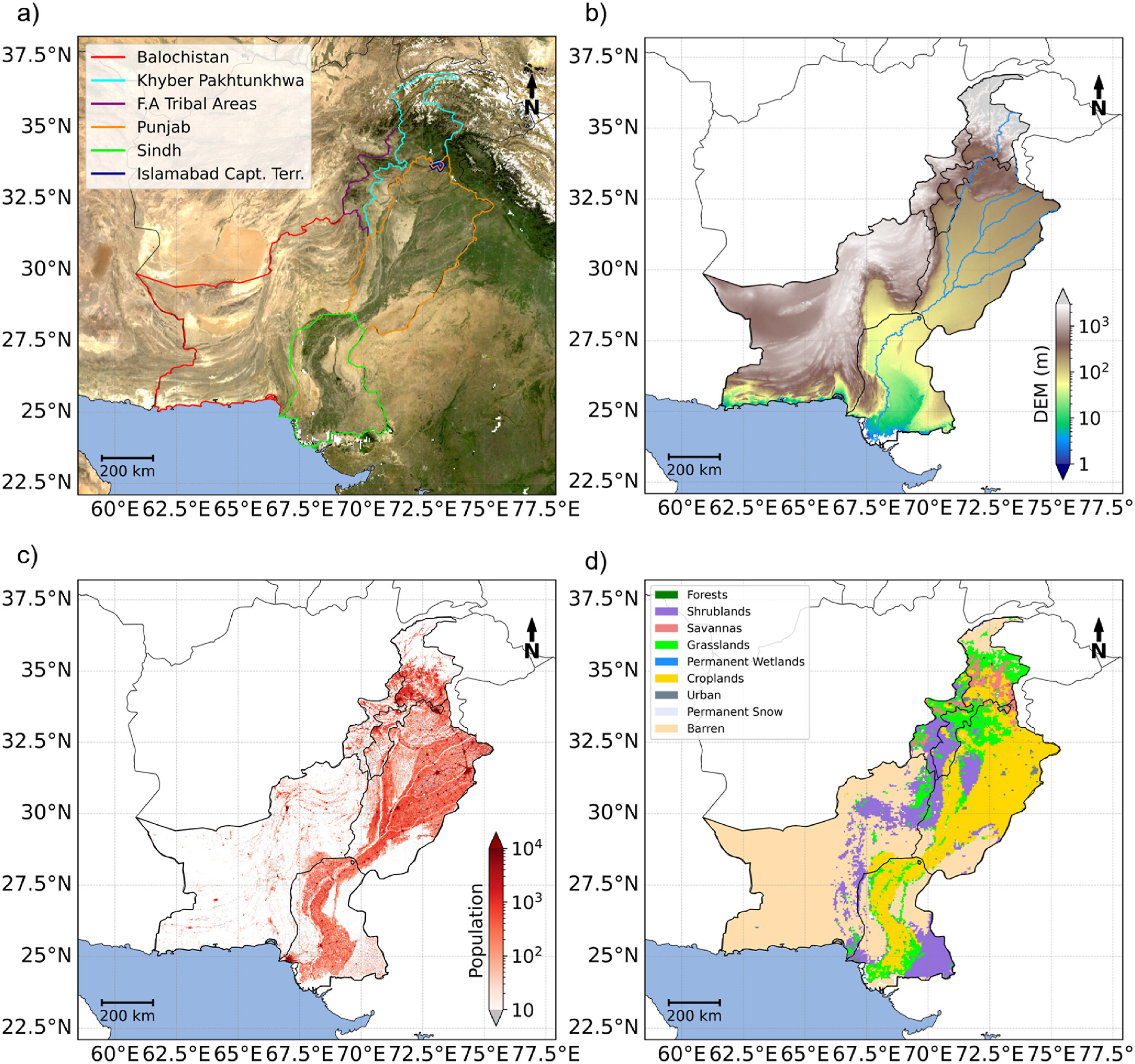
A benchmark dataset for flood early-warning and flood extent mapping over Pakistan, designed to support the development and evaluation of remote sensing-based flood detection algorithms.
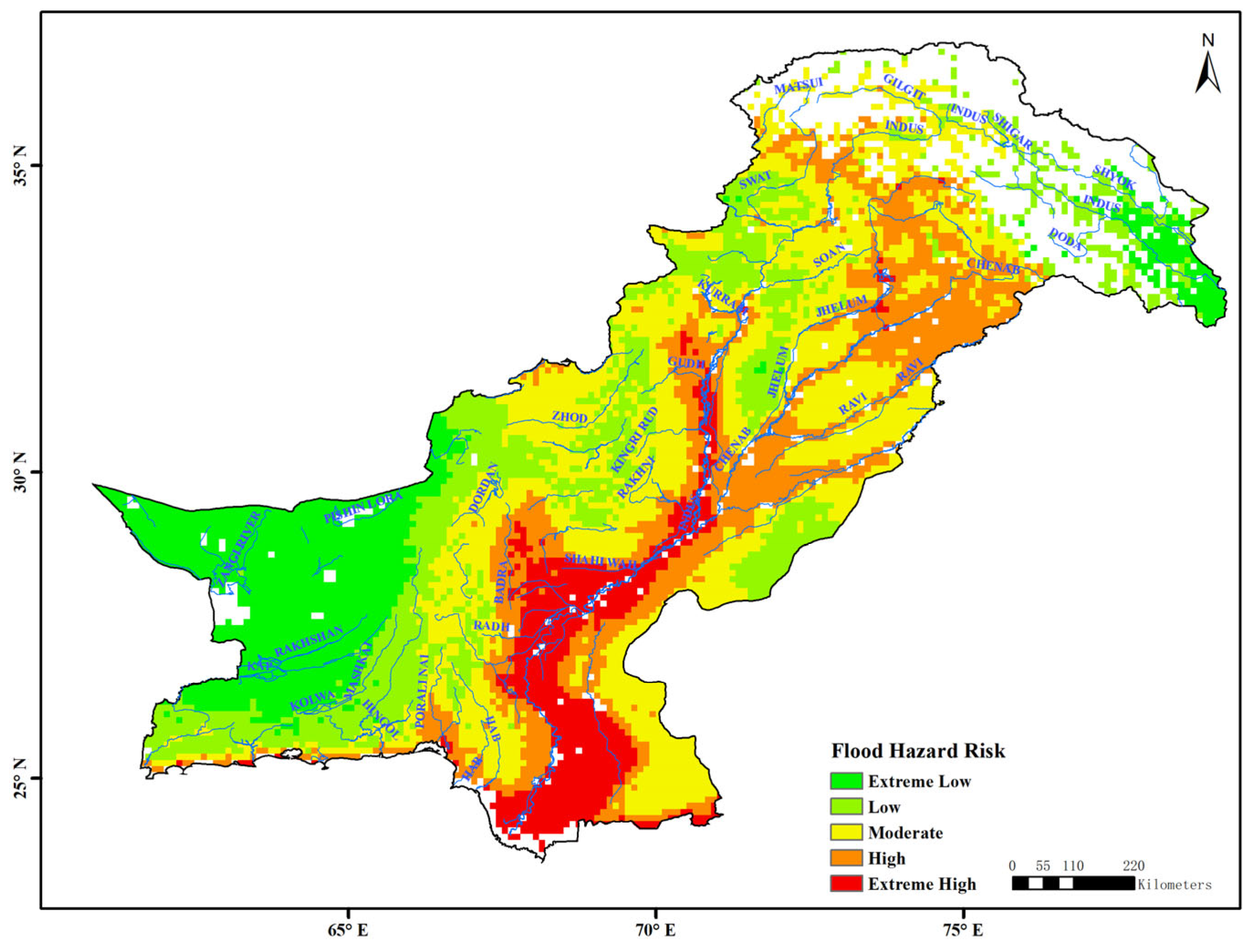
Flood risk raster layers for the 2022 Pakistan floods including sediment transport and deposition data, supporting post-flood damage assessment and future risk modelling.
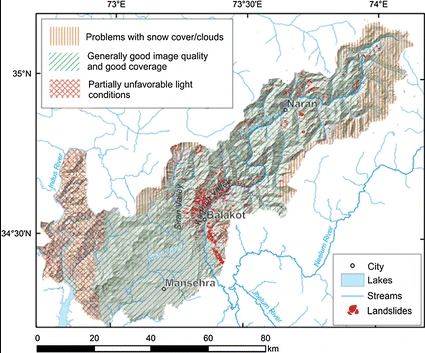
Landslide inventory and conditioning factor layers for Kaghan and Siran valleys in Mansehra and Torghar districts, Khyber Pakhtunkhwa, produced by BGR-GSP collaboration.
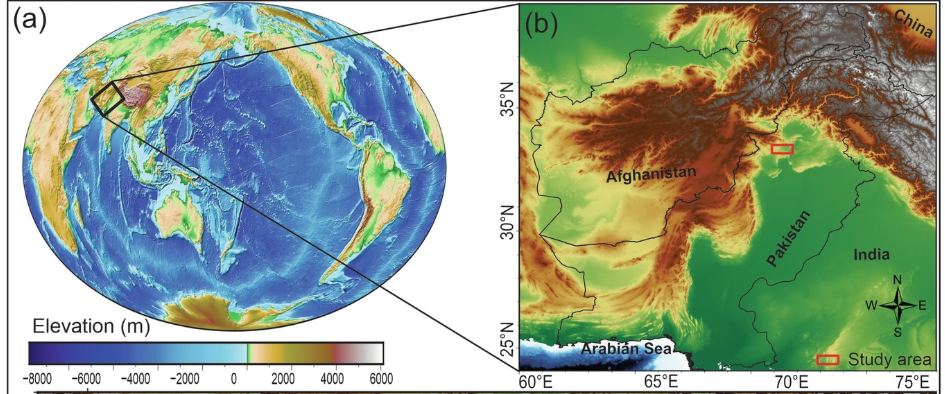
First comprehensive sinkhole inventory and karst hazard susceptibility dataset for the Kohat district of Pakistan, supporting ground subsidence risk assessment in evaporite karst terrain.
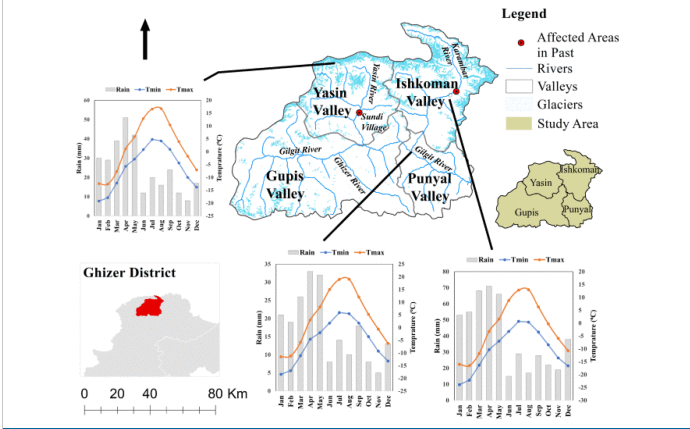
Glacial lake mapping and glacial lake outburst flood (GLOF) simulation data for the Ghizer district of Gilgit-Baltistan, supporting downstream hazard assessment and early-warning planning.
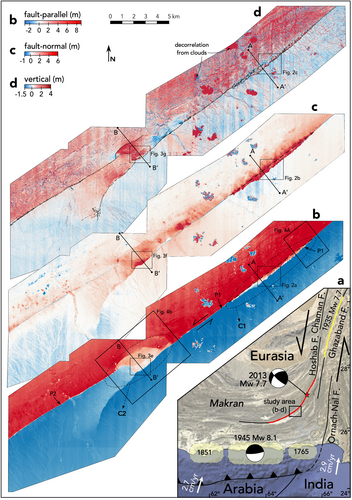
Digital surface models and 3-D surface displacement maps derived from InSAR for the 2013 Mw 7.7 Balochistan (Awaran) earthquake, enabling detailed fault characterisation.
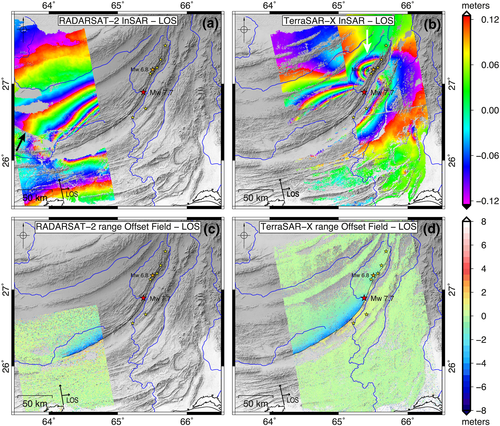
Fault geometry data derived from InSAR observations of the 2013 Balochistan earthquake, providing slip distribution and rupture characterisation for seismic hazard modelling.
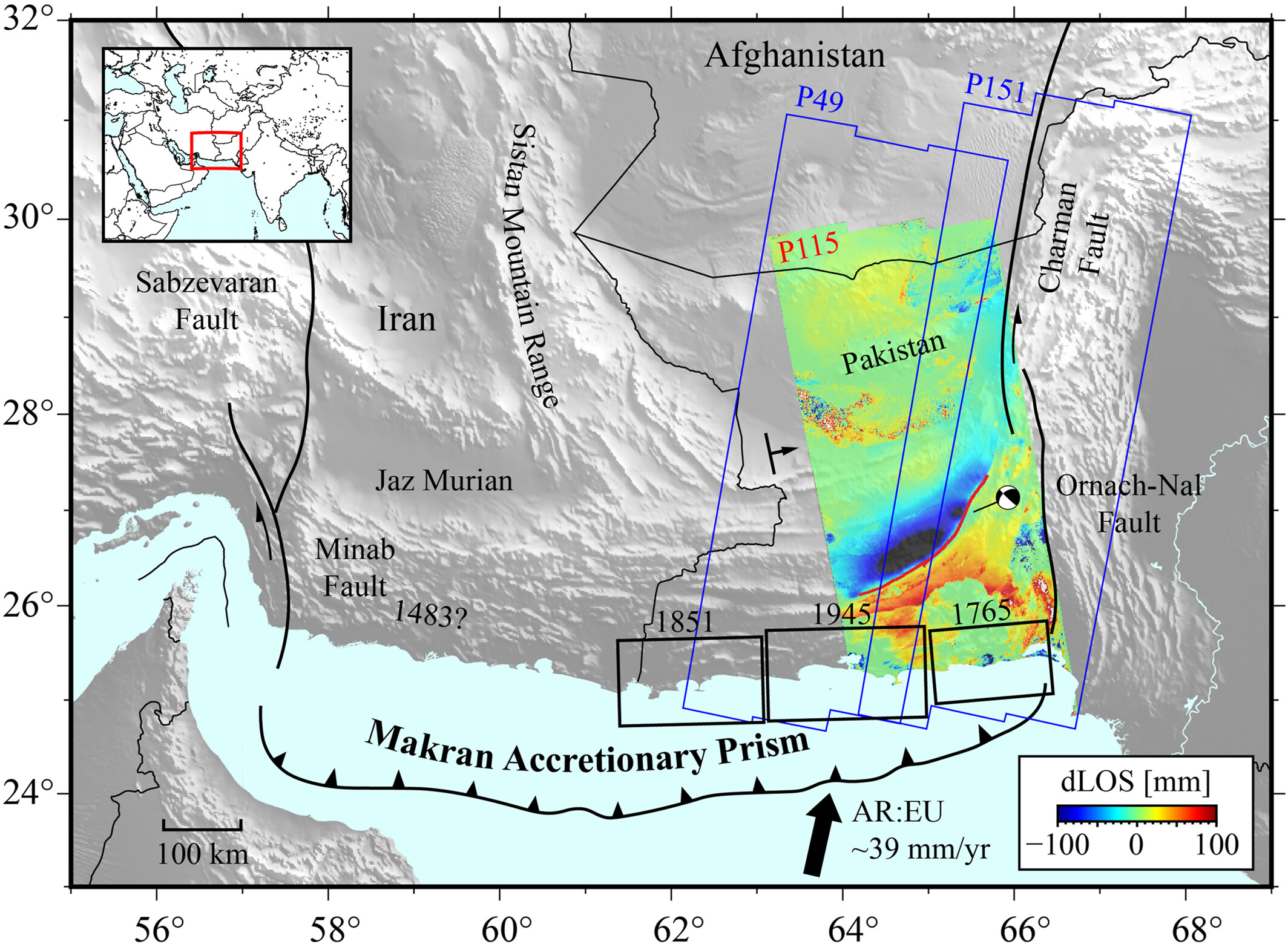
Postseismic InSAR time series and finite element model outputs for the 2013 Balochistan earthquake, capturing afterslip and viscoelastic relaxation processes.
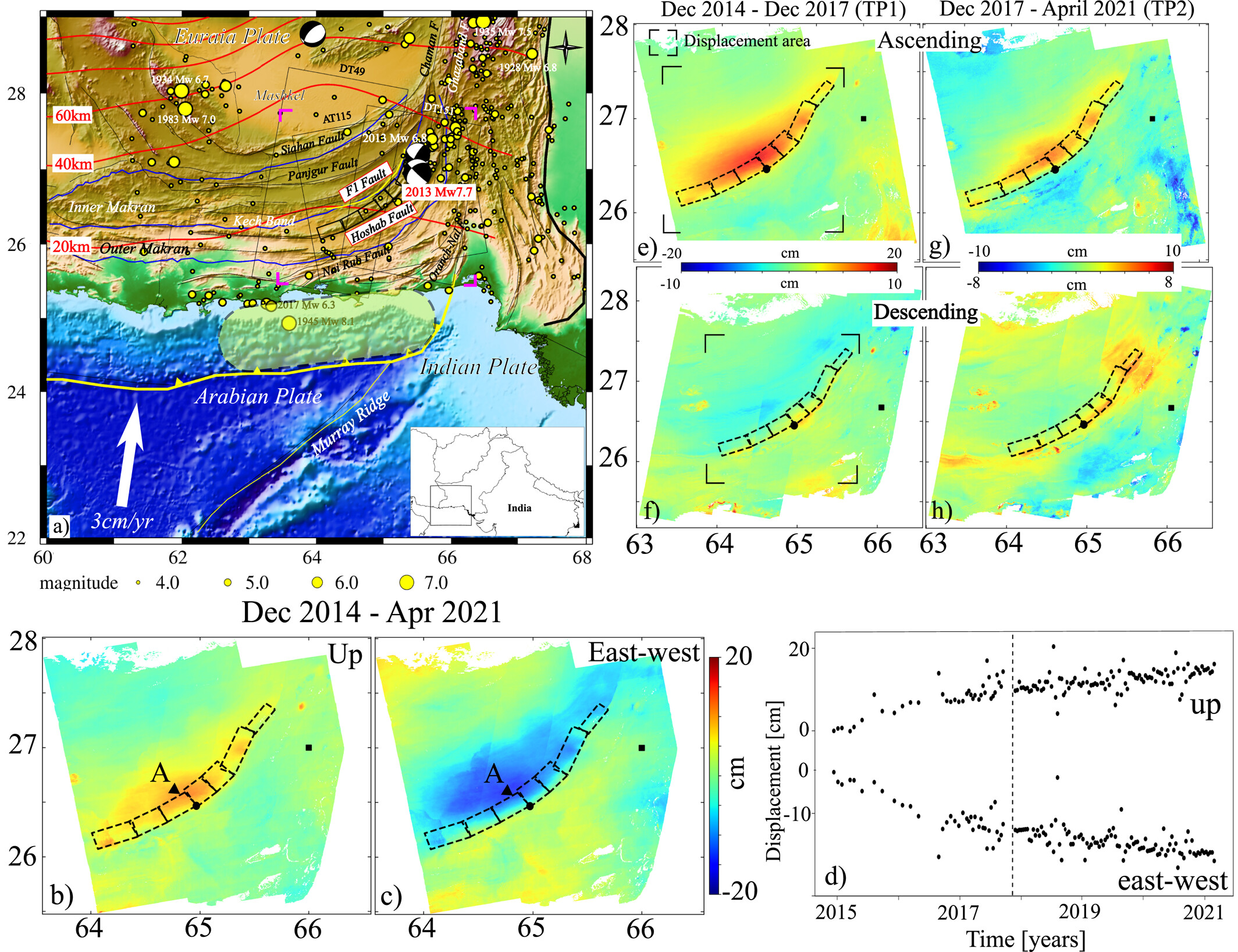
InSAR-derived aseismic slip dataset for the Makran megathrust triggered by the 2013 Mw 7.7 Balochistan earthquake, advancing understanding of coupled subduction zone dynamics.
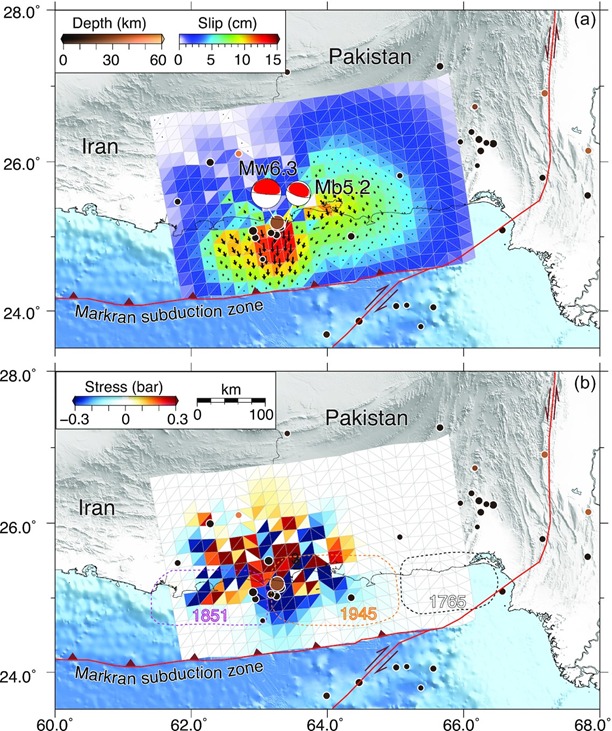
InSAR surface deformation data for the 2017 Pasni earthquake along the Makran coast, providing coseismic displacement maps for fault modelling and seismic hazard assessment.
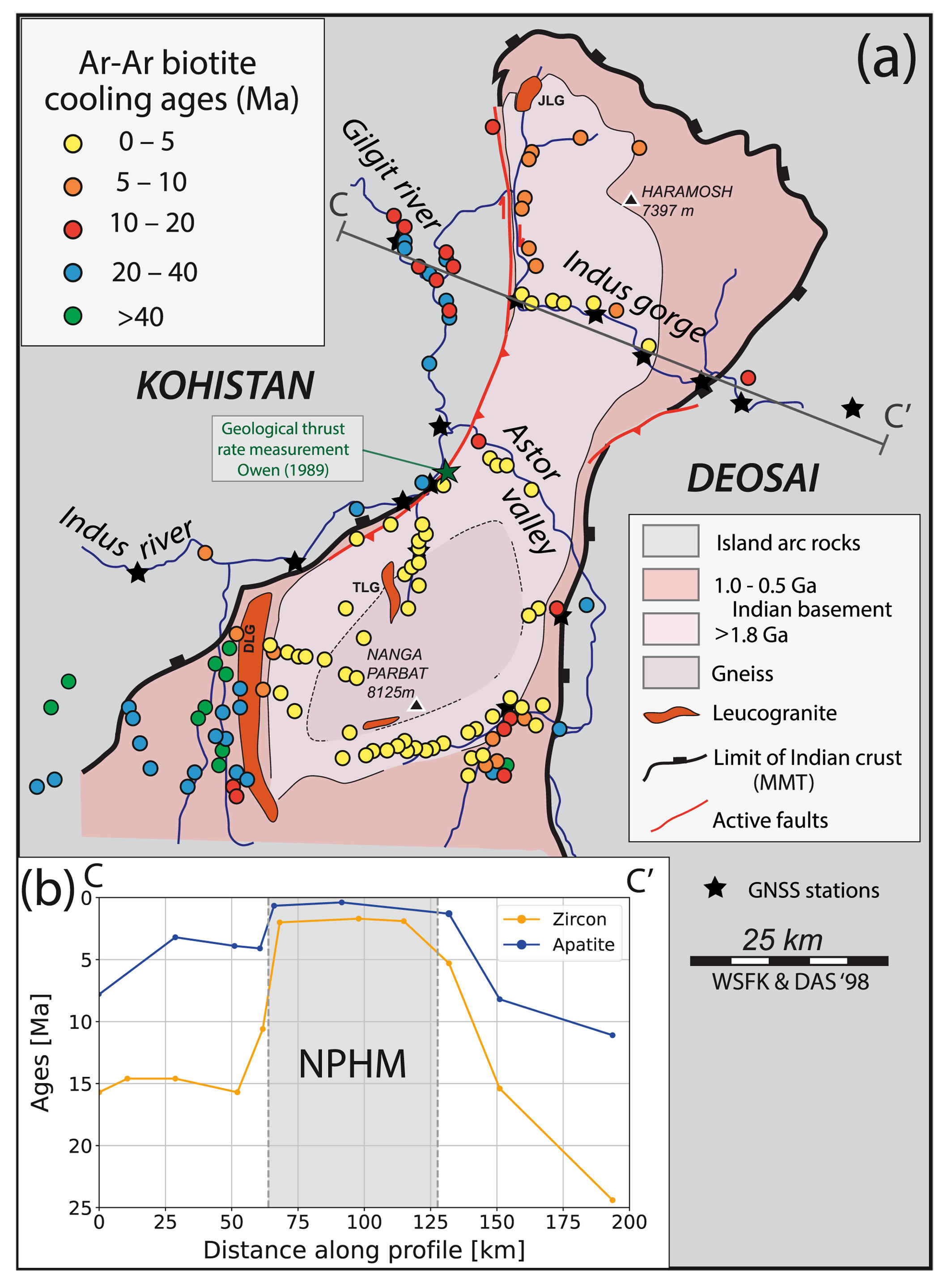
InSAR and GNSS-derived surface velocity fields for the Nanga Parbat massif, capturing active crustal deformation in one of the world's fastest-uplifting mountain ranges.
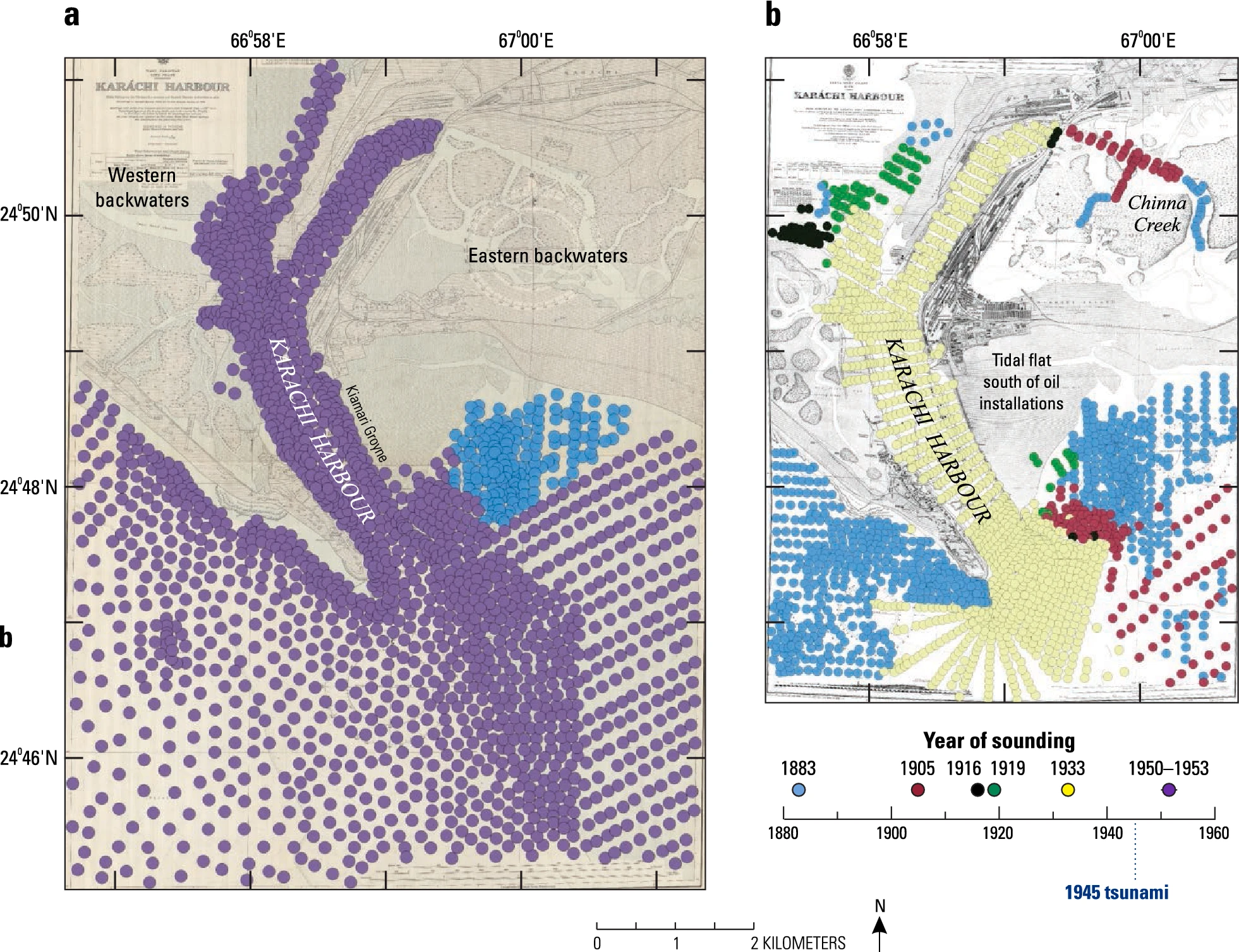
Bathymetric and topographic DEM of Karachi Harbour produced to support modelling of the 1945 Makran tsunami, enabling coastal inundation and hazard assessment along Pakistan's coastline.
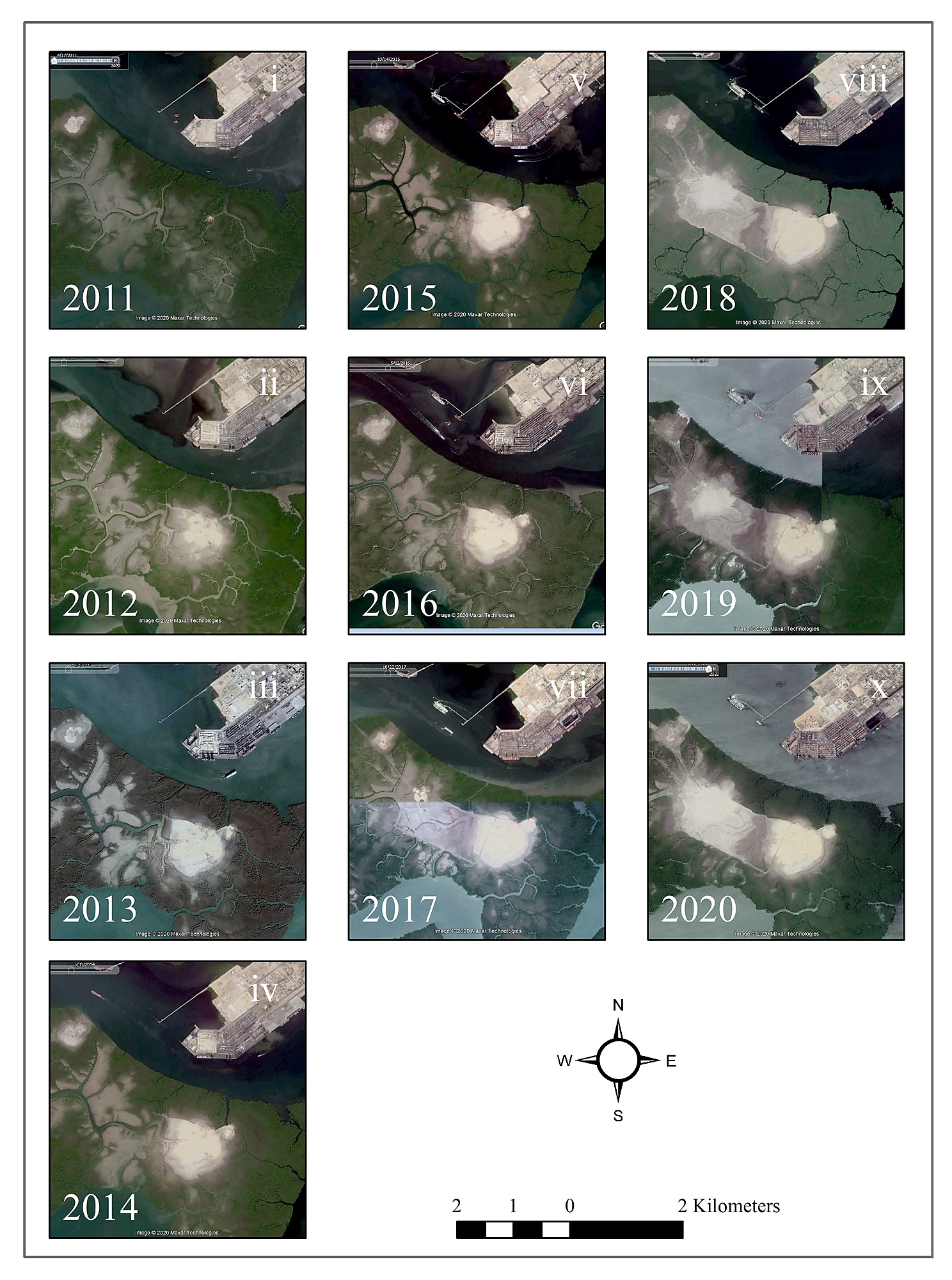
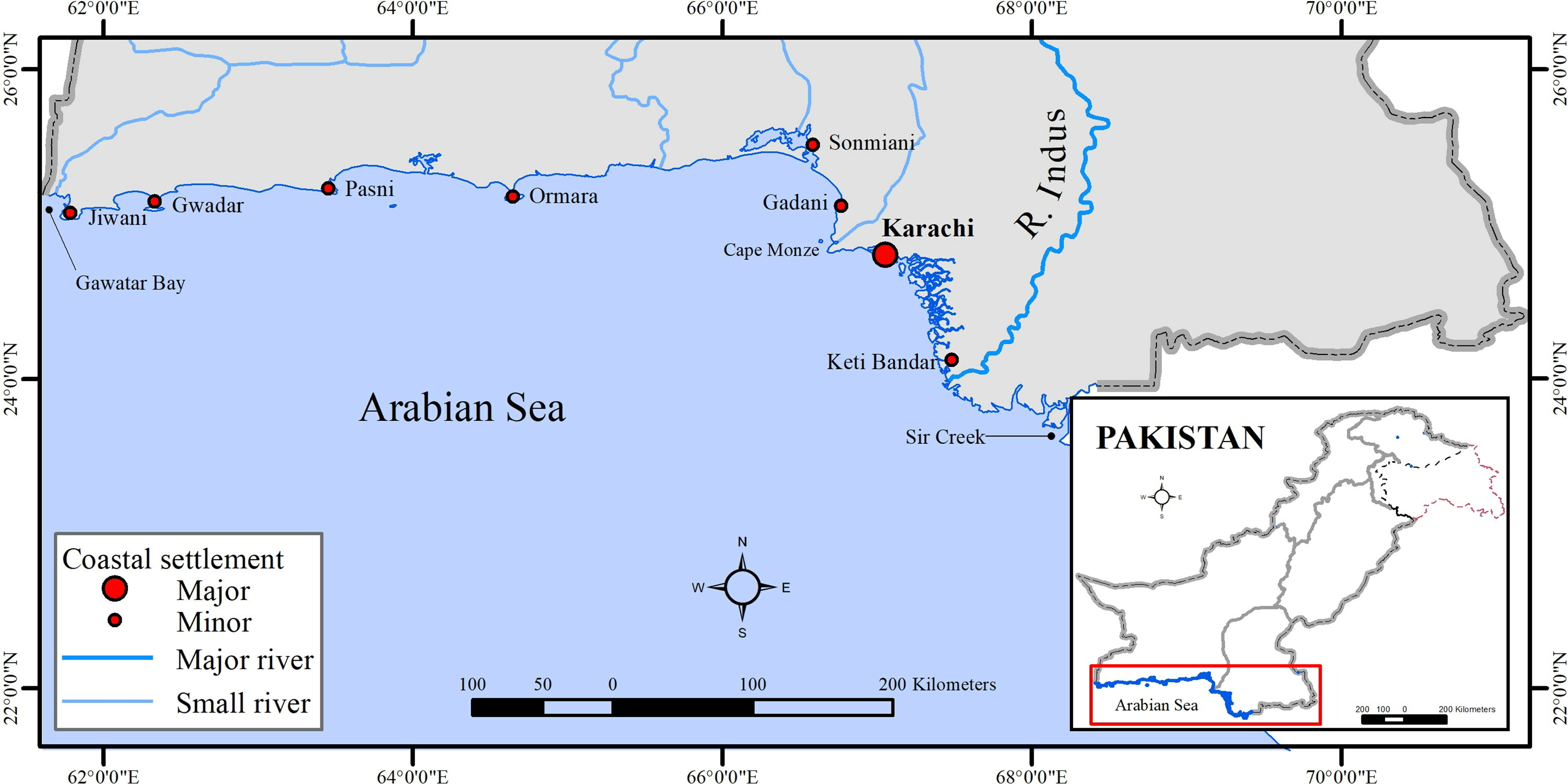
50-year time series of morphological shoreline change along Karachi's coast using multi-temporal satellite imagery, documenting erosion, accretion, and anthropogenic impacts.
Glacier surface velocity and elevation change data for the surging Shisper Glacier in Hunza, Gilgit-Baltistan, documenting one of the most dramatic recent surge events in the Karakoram.
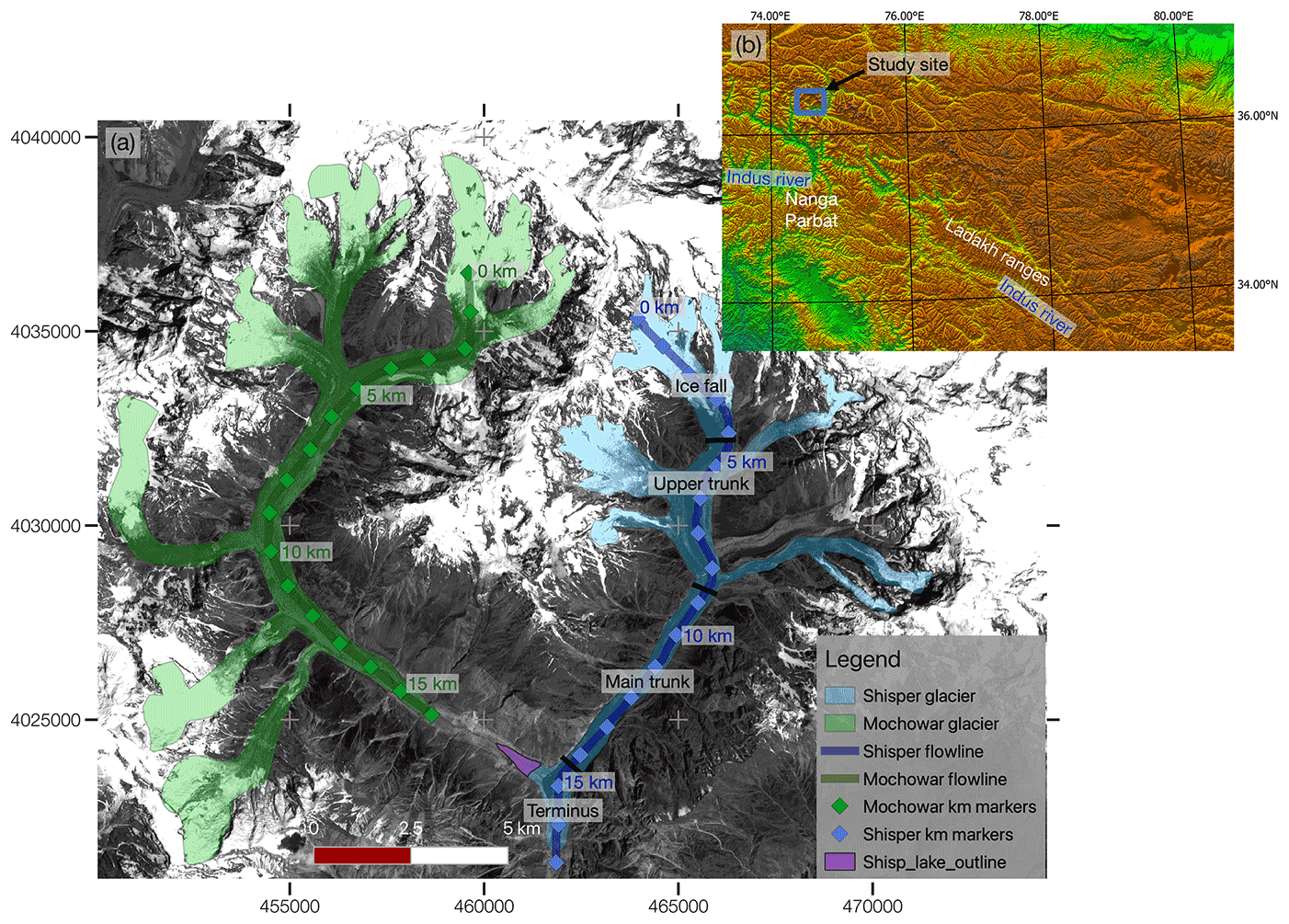
High-resolution velocity maps and digital elevation models for the Shisper Glacier surge event, derived from optical and SAR satellite imagery to track ice dynamics and mass redistribution.
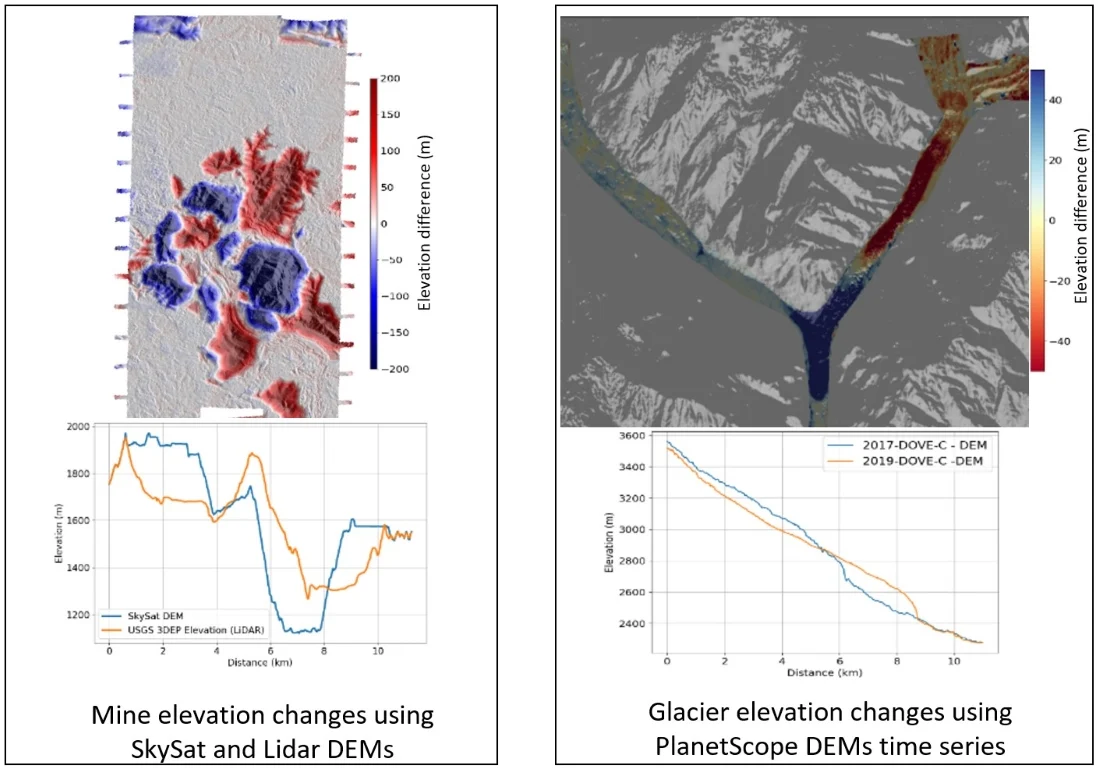
Sub-metre topographic models of Shisper Glacier derived from PlanetScope stereo imagery, enabling precise monitoring of glacier surface elevation changes during the surge event.
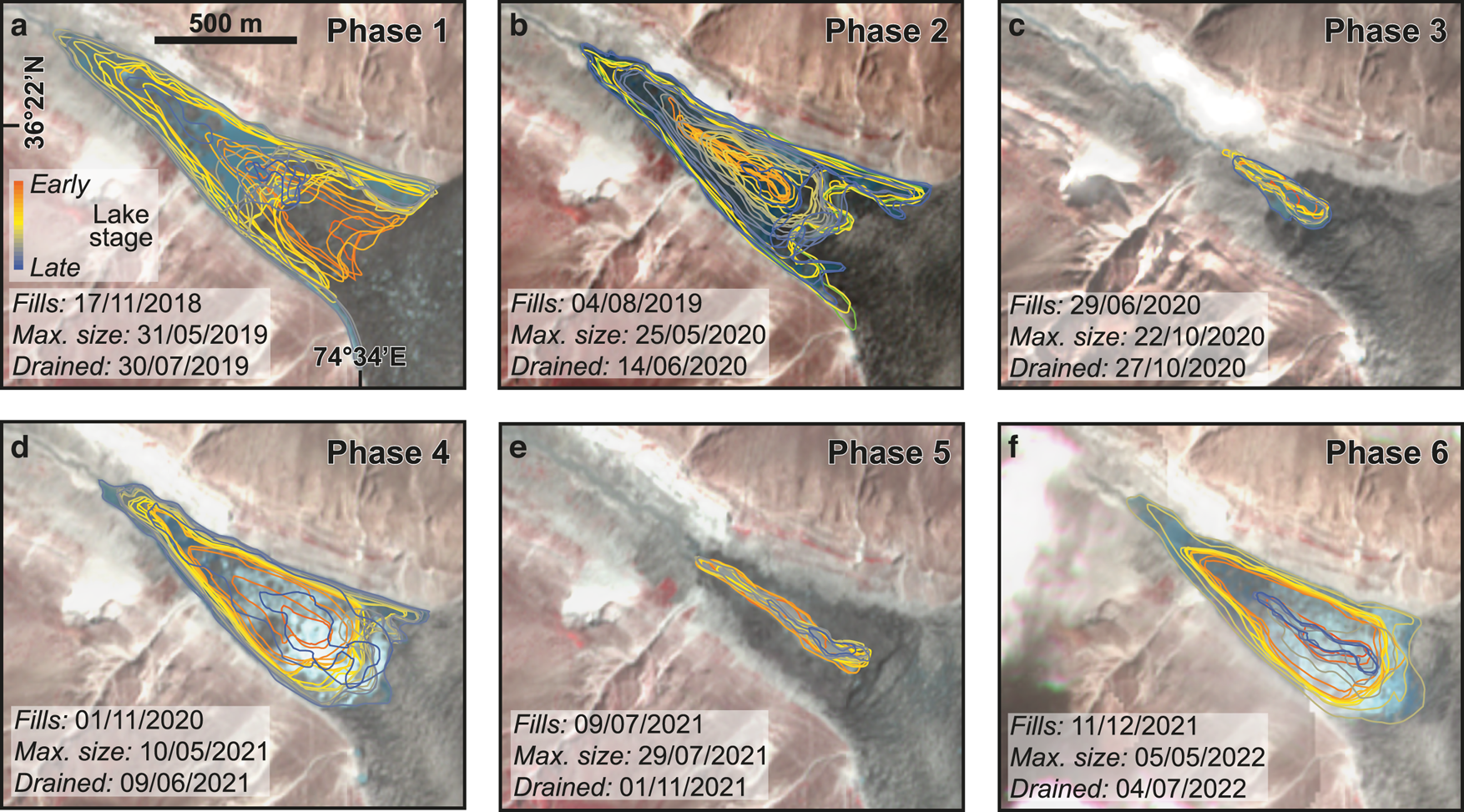
GIS layers documenting the ice-dammed lake formed by the Shisper Glacier surge, tracking lake evolution and outburst flood (GLOF) risk for downstream communities in Hunza valley.
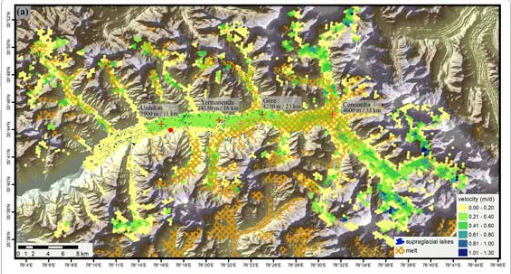
Multi-temporal mapping of supraglacial lakes on Baltoro Glacier in the Karakoram from 2016 to 2022, tracking lake formation, drainage and refilling cycles related to meltwater dynamics.
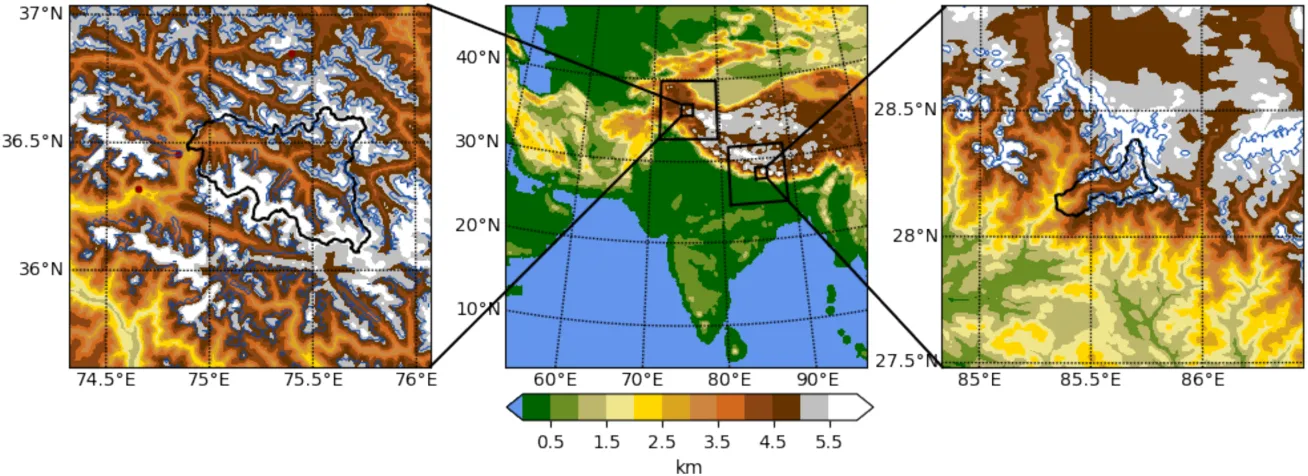
High-resolution WRF atmospheric model outputs for Shimshal valley in the Karakoram, used to study precipitation patterns and their role in glacier mass balance in a data-sparse high-mountain region.
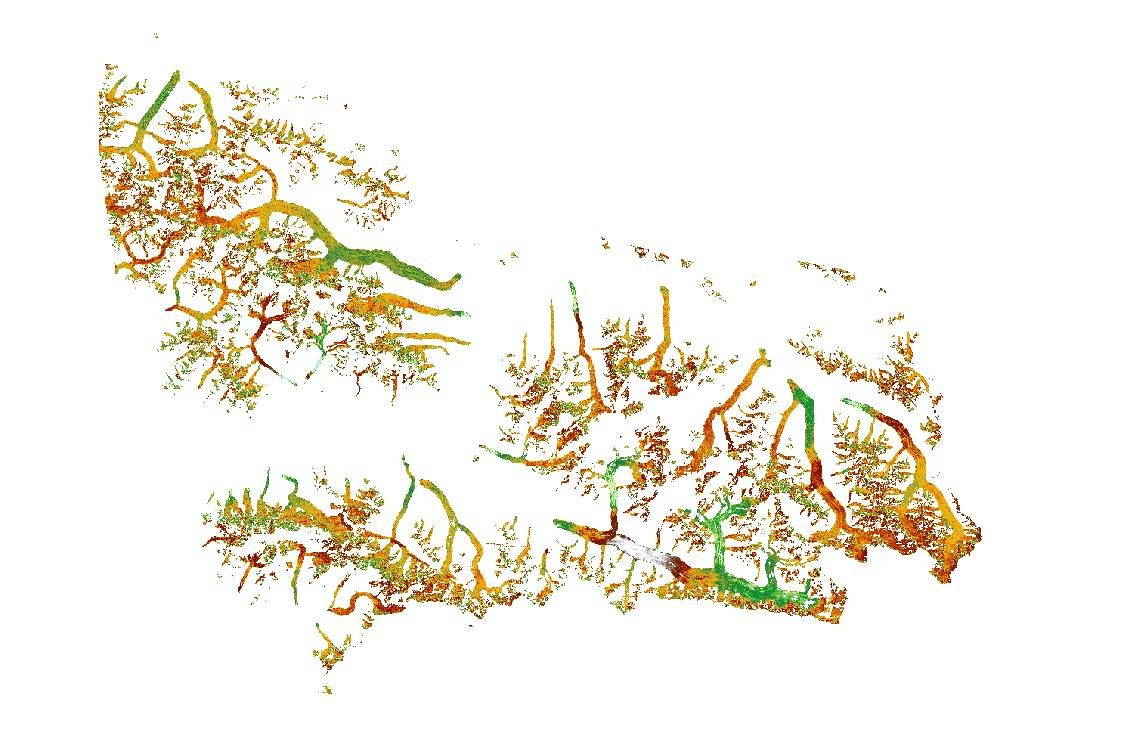
Two-decade record of glacier surface elevation changes across the Hunza basin derived from multi-source DEMs, contributing to mass balance assessment in the anomalous Karakoram glacier region.
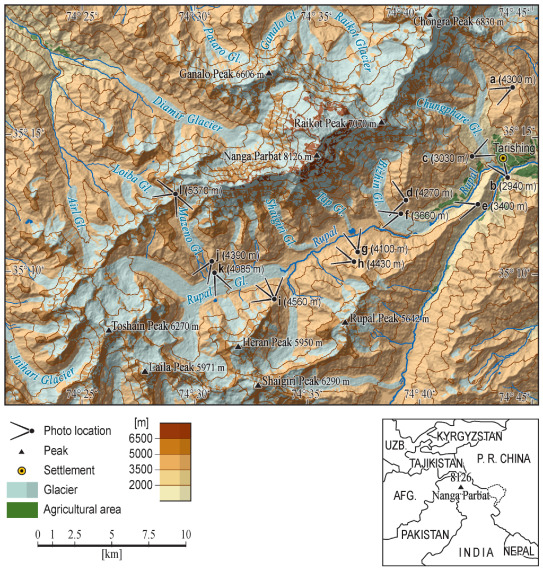
Historical and contemporary repeat-photography dataset for glaciers in the Nanga Parbat massif and Rupal valley, documenting multi-decadal glacier retreat through ground-based imagery.
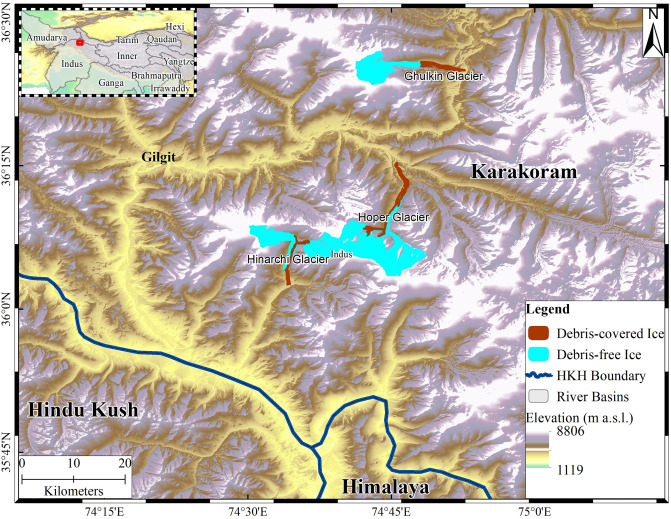
Field-measured ablation stake data from debris-covered glaciers in the Karakoram (Hunza), demonstrating that thin debris layers do not enhance melt — challenging conventional assumptions in glaciology.
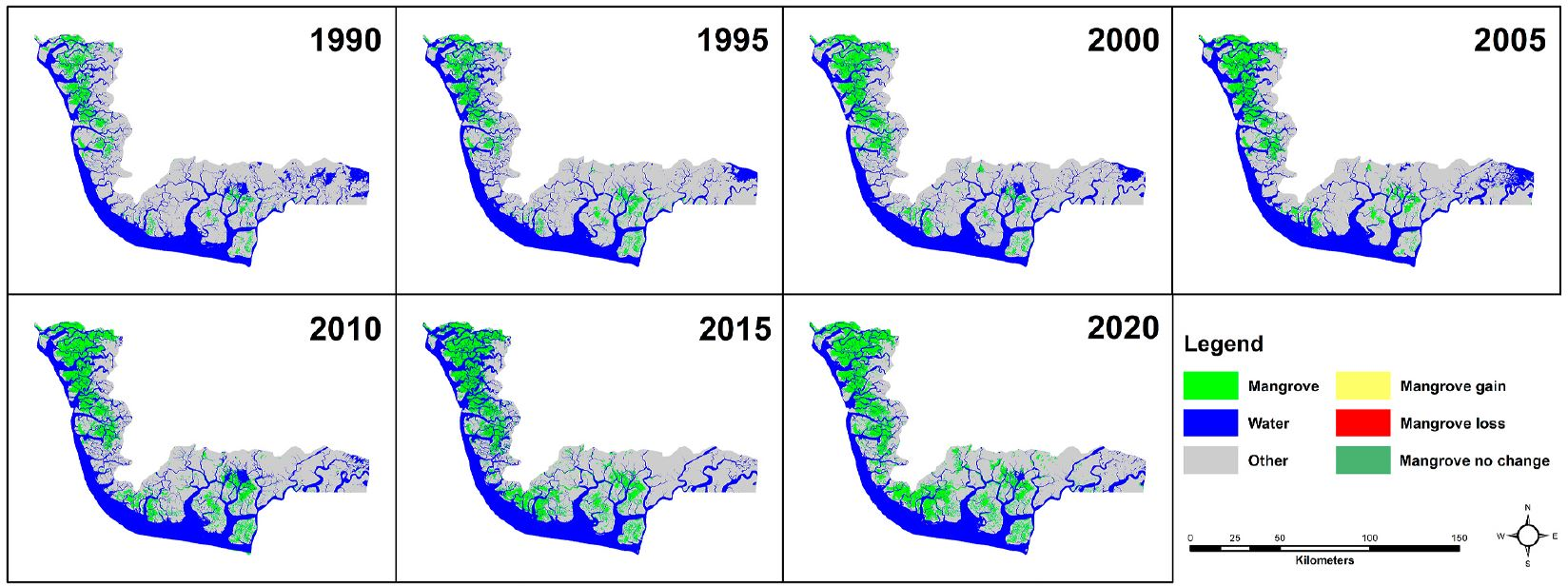
National-scale 30 m resolution mangrove cover maps for Pakistan across four time periods from 1990 to 2020, documenting changes in one of the world's largest arid mangrove ecosystems in the Indus Delta.
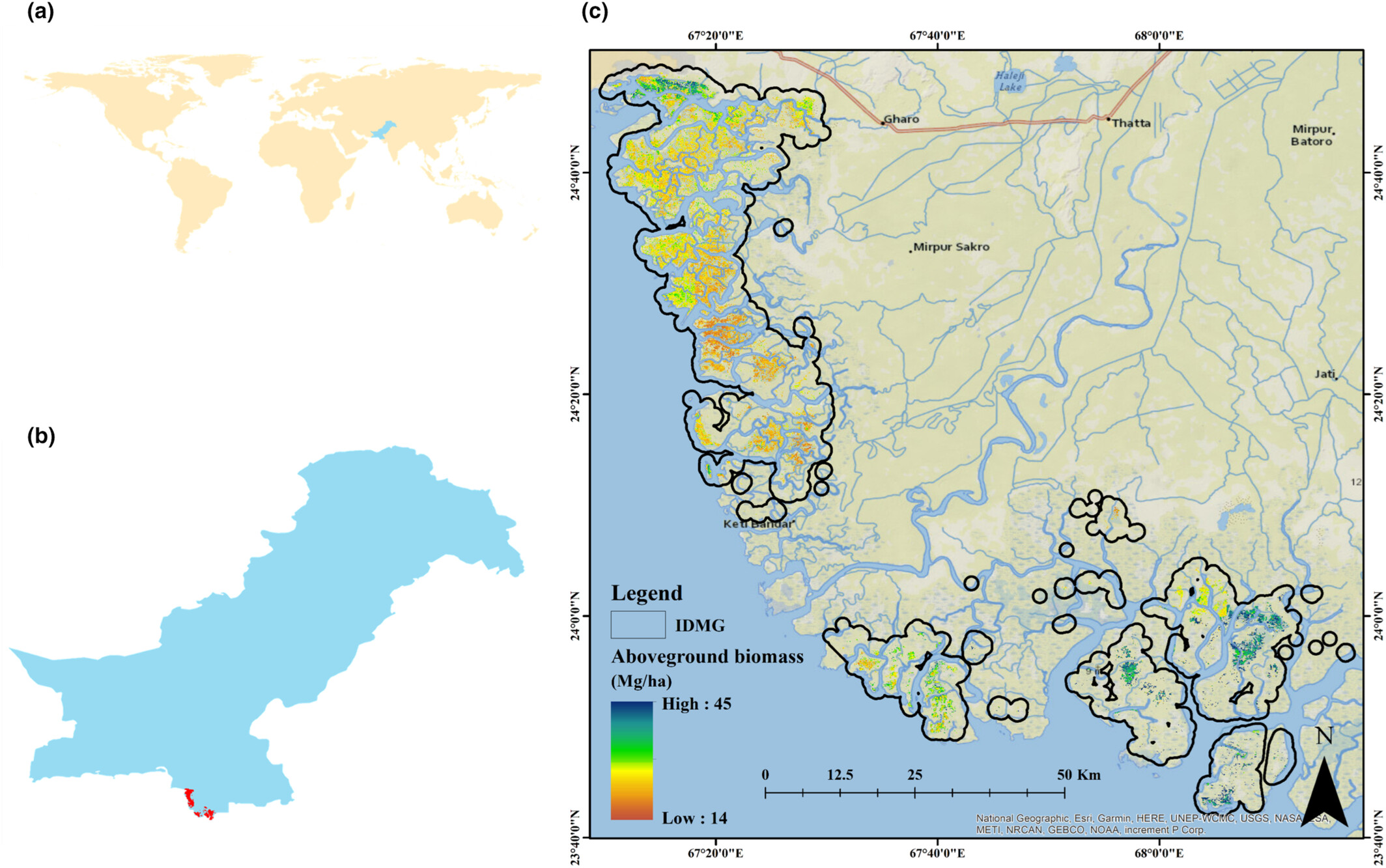
Spatiotemporal dynamics and ML-based predictions of above-ground biomass in the Indus Delta mangroves, combining field measurements with satellite imagery for carbon stock estimation.
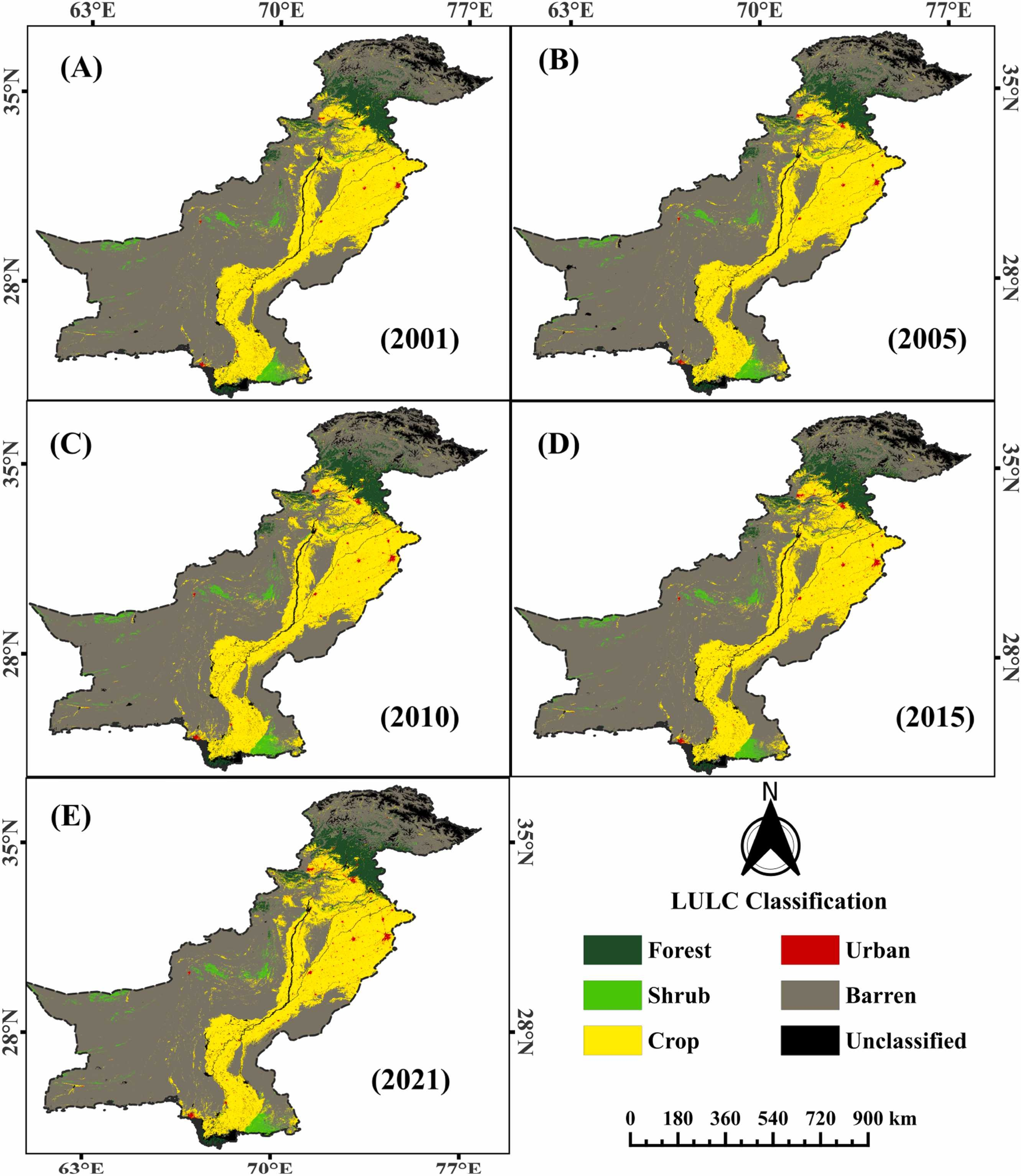
National land use/land cover maps and ML-derived deforestation risk layers for Pakistan covering 2001 to 2021, assessing fragmentation patterns and degradation hotspots across all forest types.
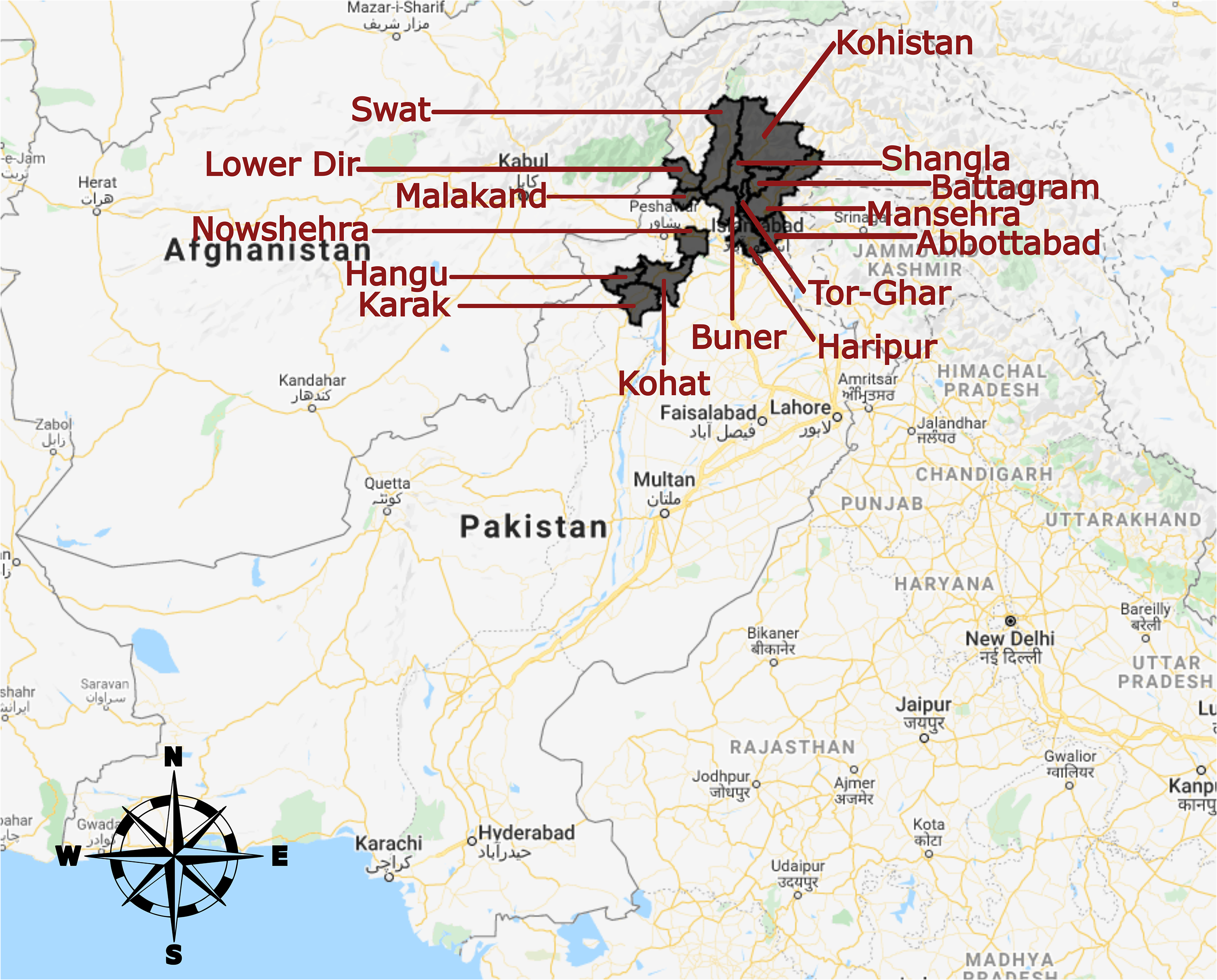
AI-driven forest cover change detection dataset for 15 districts of Khyber Pakhtunkhwa using high-resolution satellite imagery, supporting deforestation monitoring and reforestation programme evaluation.
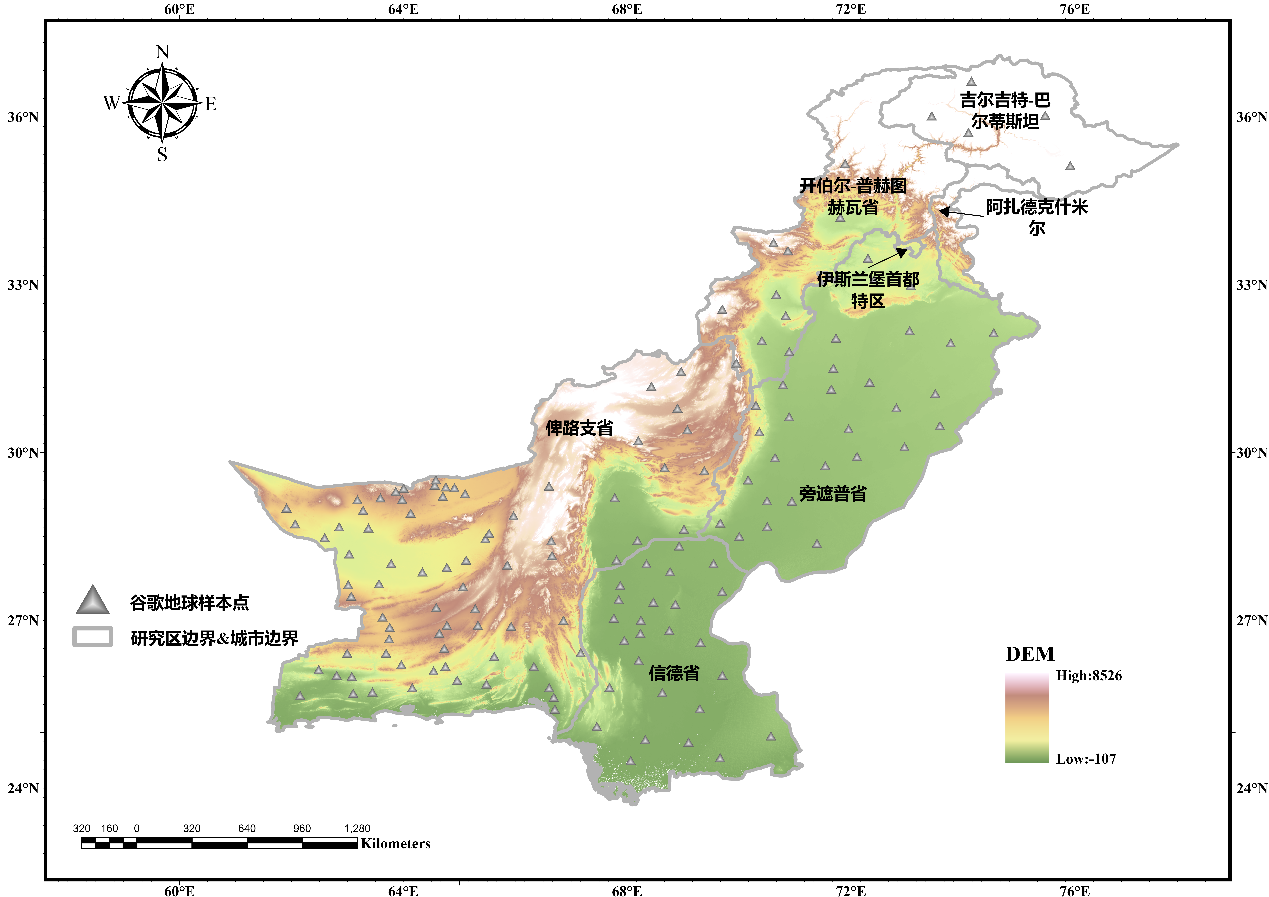
National-scale desertification mapping dataset for Pakistan covering three decades from 1990 to 2020, documenting land degradation trends driven by climate variability and anthropogenic pressures.
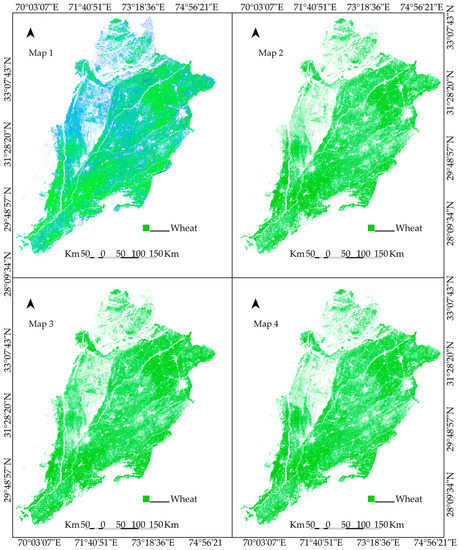
Annual wheat crop area maps for Punjab, Pakistan derived from Landsat imagery, providing field-scale crop mapping essential for food security monitoring and agricultural policy support.
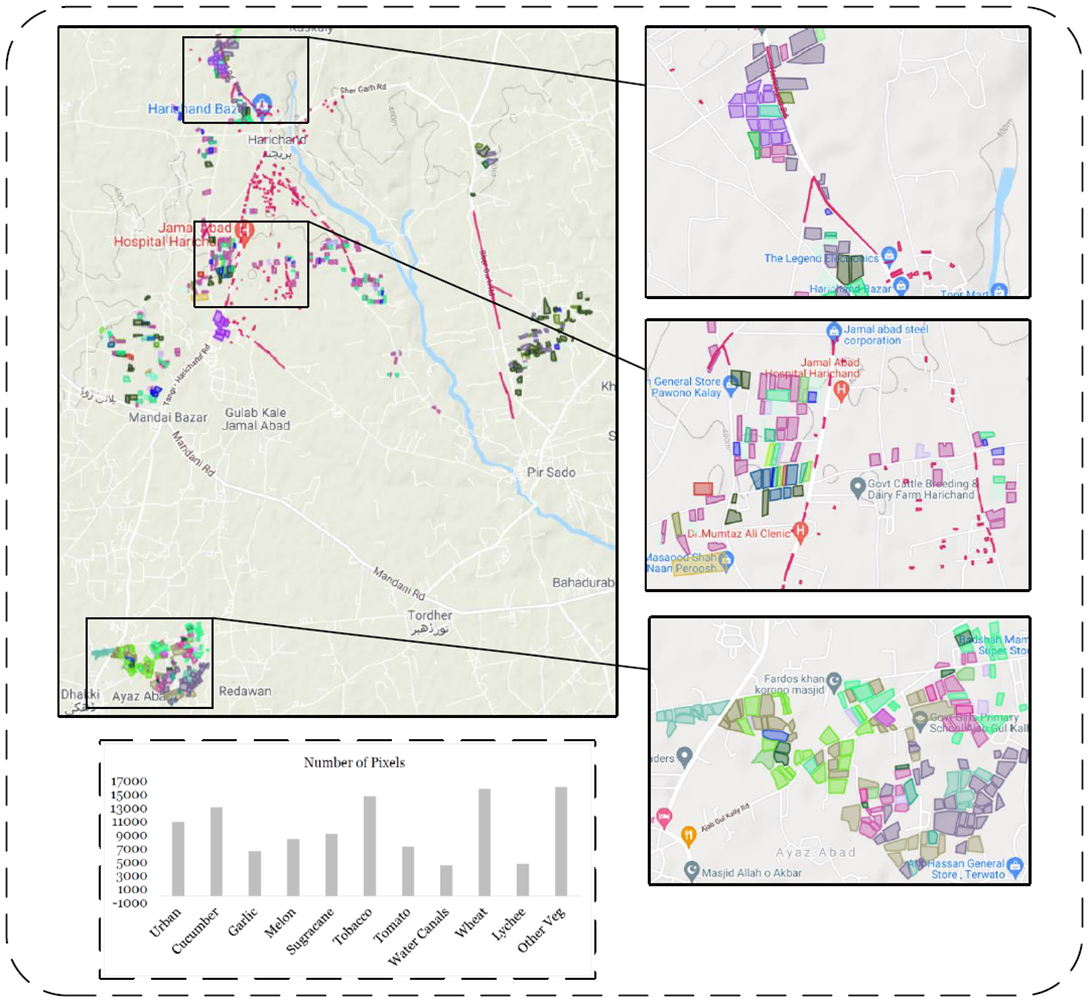
Field-surveyed crop ground-truth polygons paired with Sentinel-2 and PlanetScope image stacks for Harichand area in Charsadda district, supporting crop type classification model training.
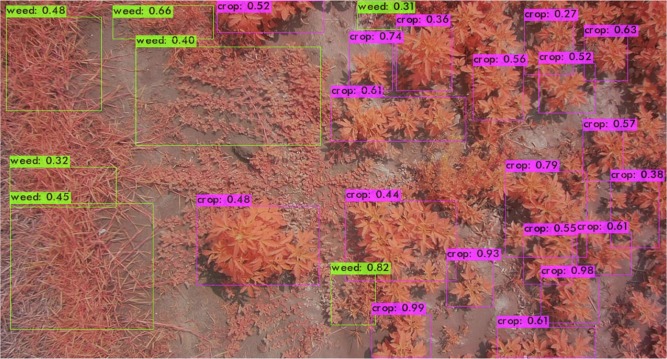
High-resolution UAV multispectral imagery dataset of sesame crops and weeds from Pakistan, supporting precision agriculture research and the development of automated weed detection algorithms.
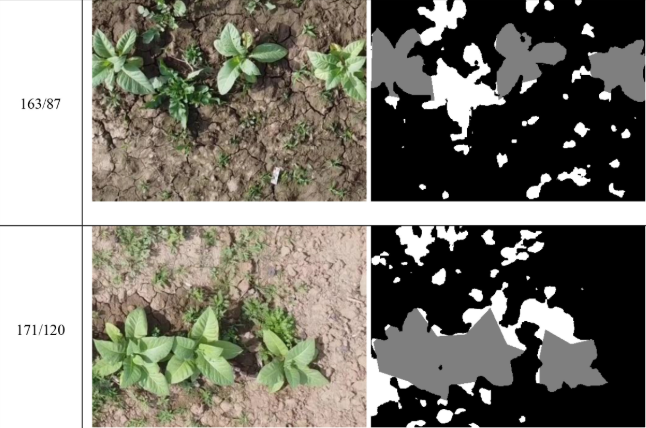
UAV-captured multispectral imagery of tobacco crops and weeds from Mardan district, Khyber Pakhtunkhwa, enabling development of smart agricultural technology for weed management.
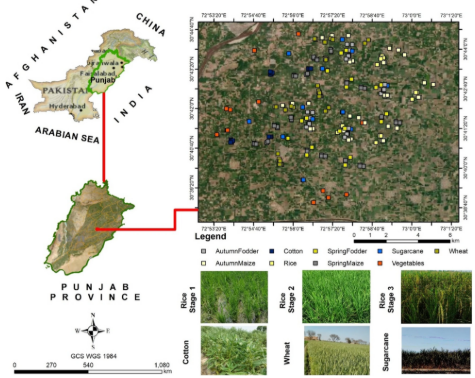
First comprehensive field spectral library of major Pakistani crops with site coordinates, enabling hyperspectral remote sensing model development and crop identification at regional scale.
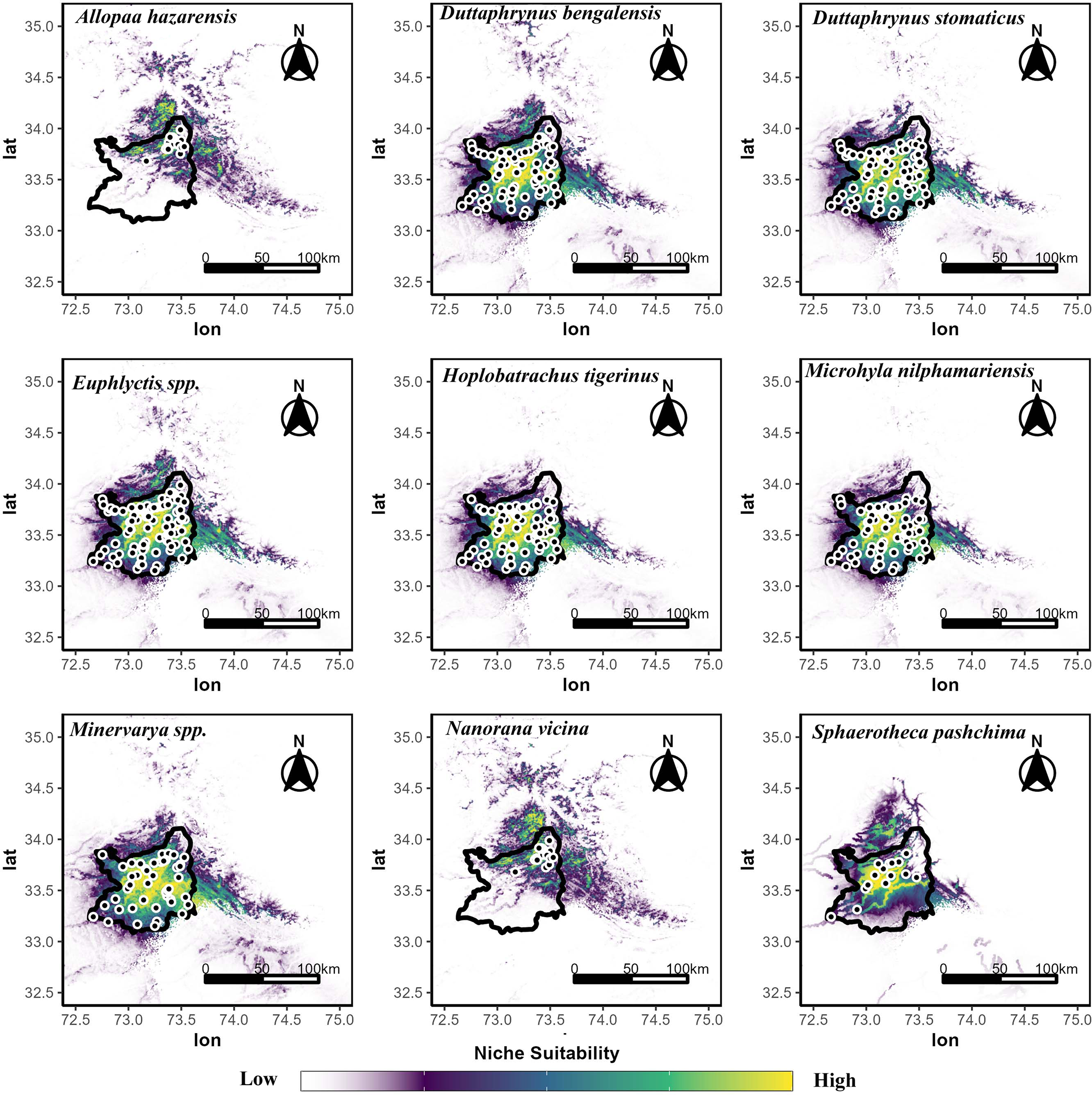
Species occurrence records and habitat suitability models for anurans (frogs and toads) across northern Pakistan, supporting biodiversity conservation planning in montane ecosystems.
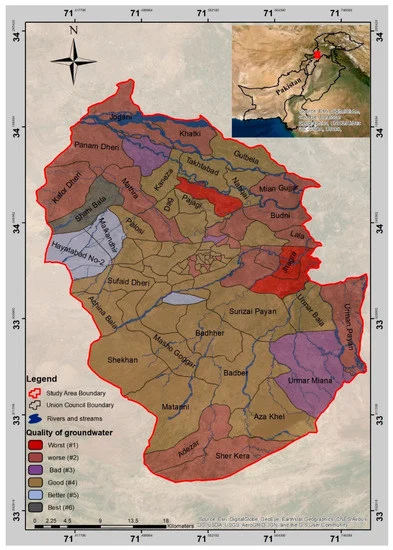
Comprehensive physico-chemical groundwater quality dataset for Peshawar District, KP, documenting contamination levels across sampled wells and tubewells for environmental health assessment.
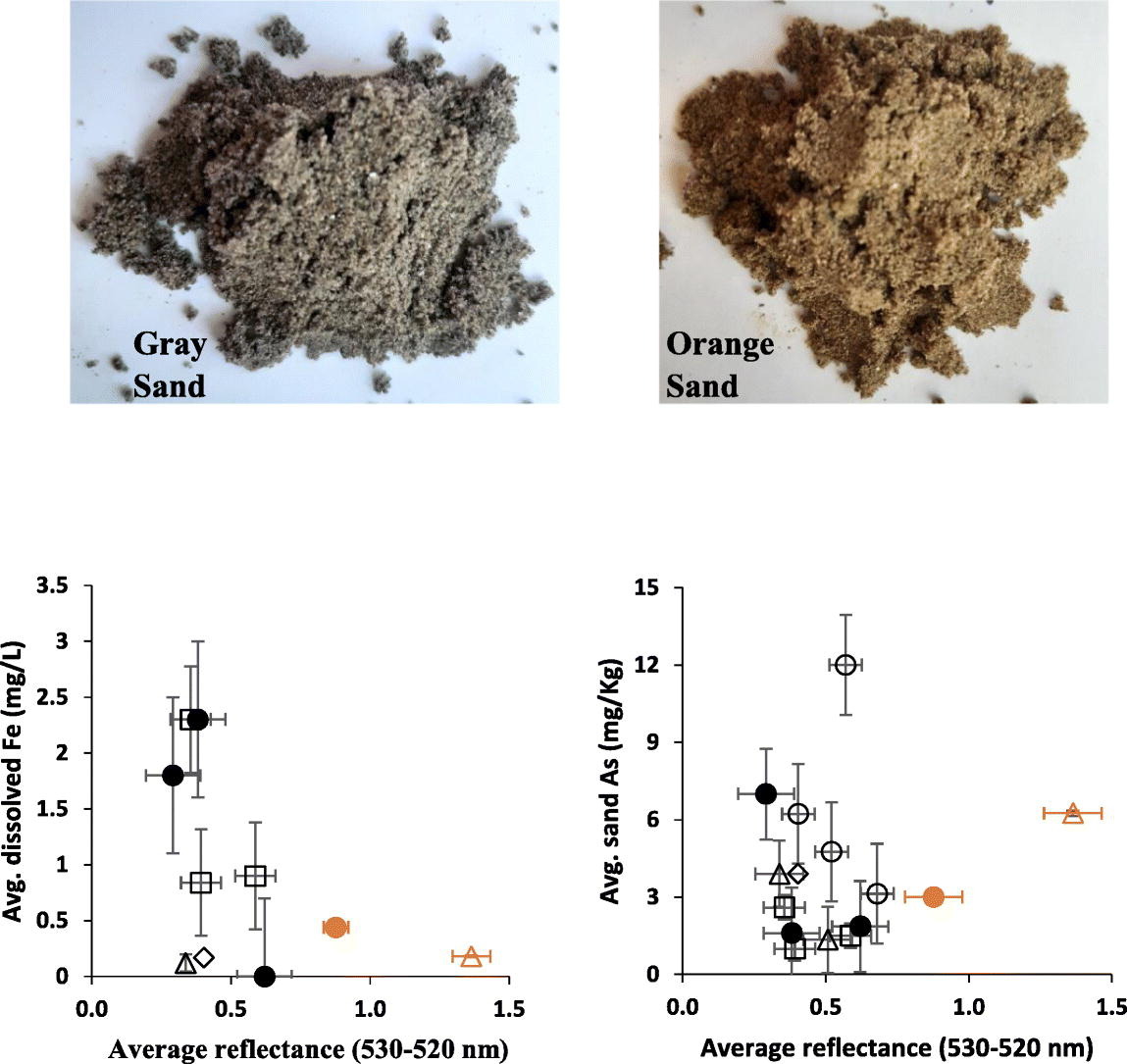
Well water and drill cutting arsenic concentration data from the Upper Indus Plain and Ravi floodplain, documenting elevated arsenic exposure risks for communities dependent on groundwater.
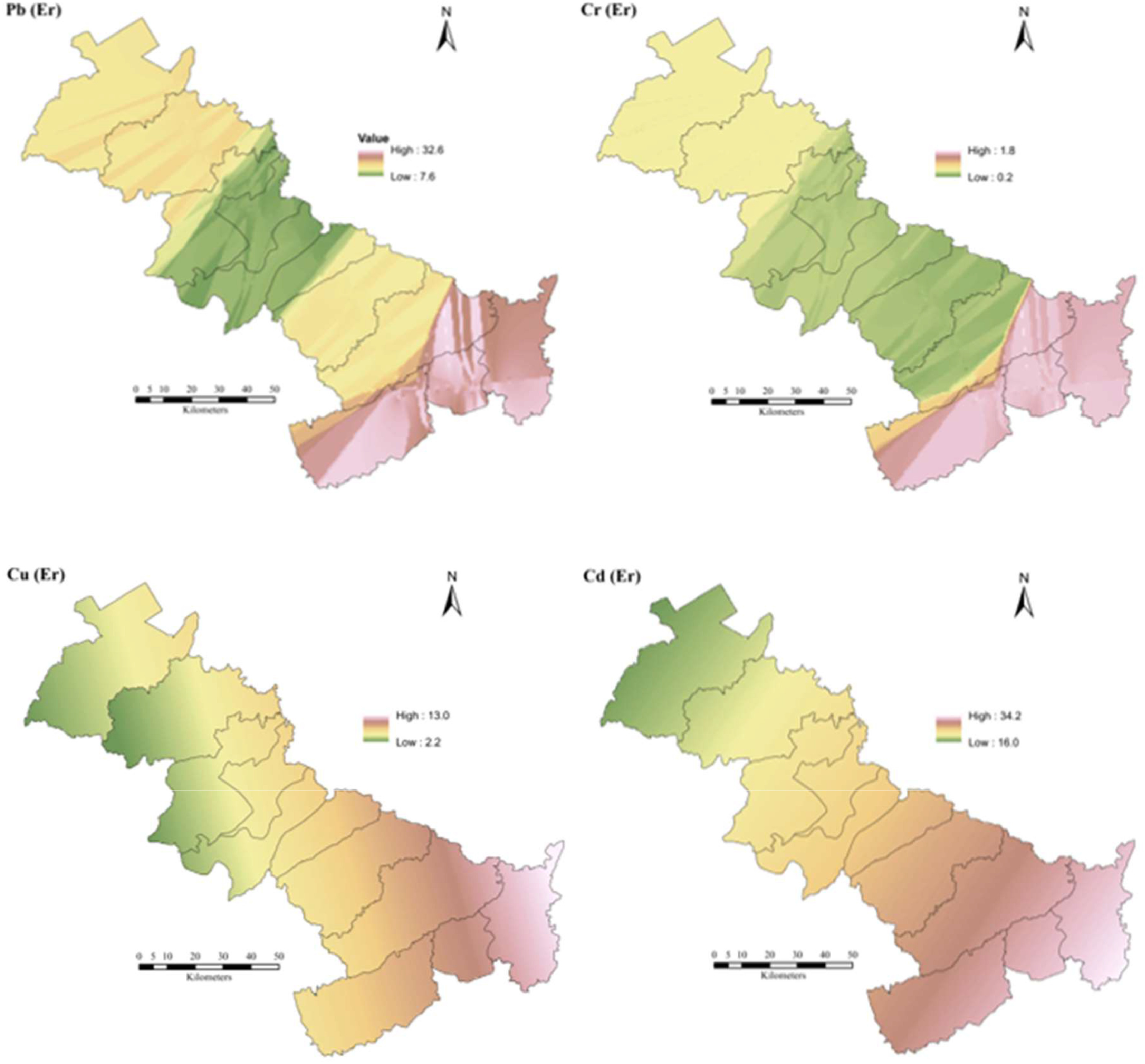
Heavy metal and pollutant contamination dataset from roadside soil samples along the Grand Trunk (GT) Road corridor, documenting traffic-related soil pollution patterns across Pakistan.
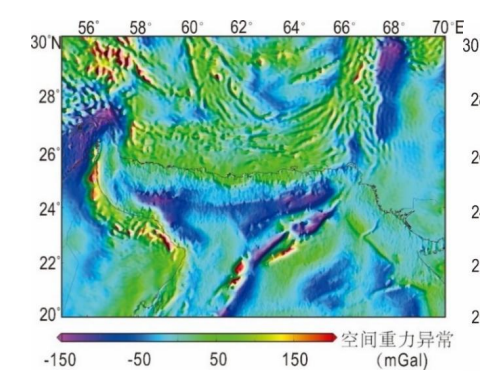
Get In Touch
Feature Your Dataset
Have a geospatial dataset related to Pakistan that you'd like featured on GeoDROP? We welcome contributions from researchers, institutions, and organizations. Reach out to us and we'll get back to you as soon as possible.
Contact us at
geoscapeanalyticslab@gmail.comWhen reaching out, please include:
- Dataset name and brief description
- Coverage area and time period
- Data format (TIF, SHP, CSV, etc.)
- Download or Zenodo link
- Associated paper (if any)
About
About Our Lab
GSAL (GeoScape Analytics Lab) is a research collective working on geospatial analytics for Pakistan. We build open pipelines around remote sensing, hydrology, and demographic data to support researchers, journalists, and policymakers. This site is our living index of the open datasets we rely on day-to-day.
All datasets credited above belong to their respective owners and remain under their original licenses. We only host curation, metadata, and processing recipes.